Advertisements
Desk Yoga Poses at Work: How I Stopped Feeling Like a Rusty Robot by 3 PM
Here’s a stat that honestly scared me — the average office worker sits for about 10 hours a day. Ten! I used to be one of those people who’d stand up after a long meeting and my back would crack like a bowl of Rice Krispies. It was embarrassing, honestly. That’s when I stumbled into desk yoga, and let me tell you, it completely changed how my body feels during the workday.
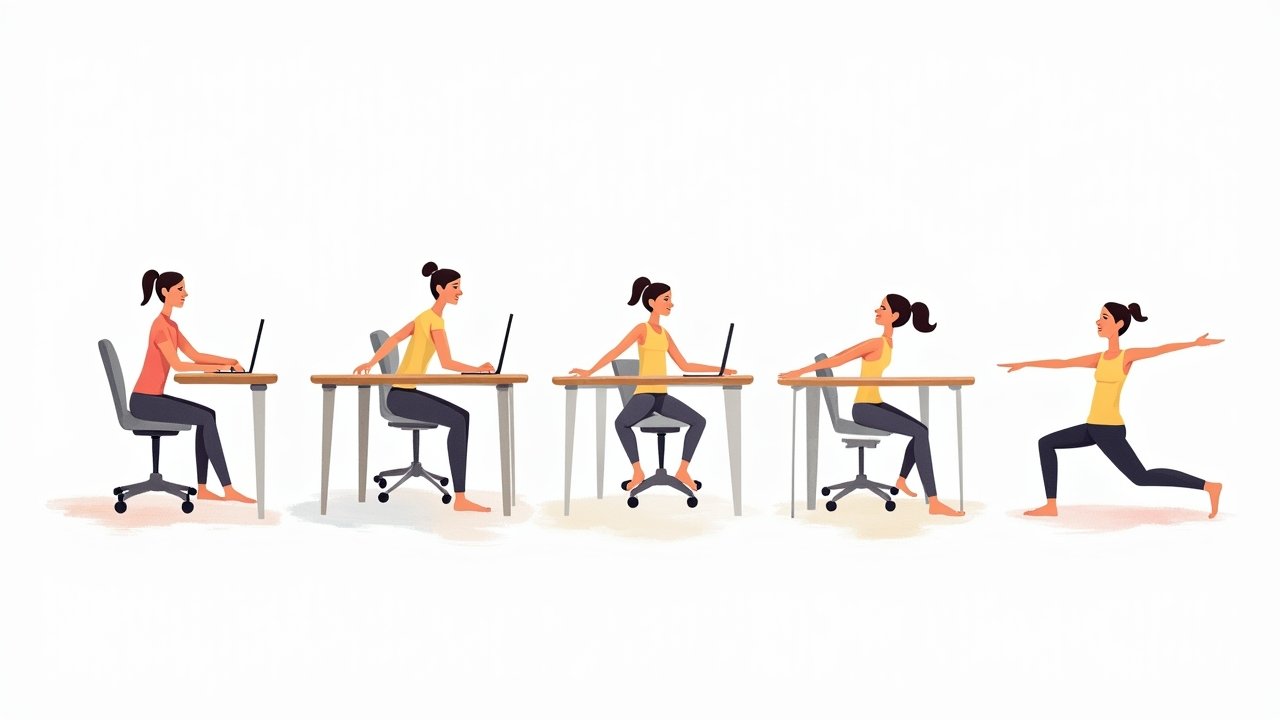
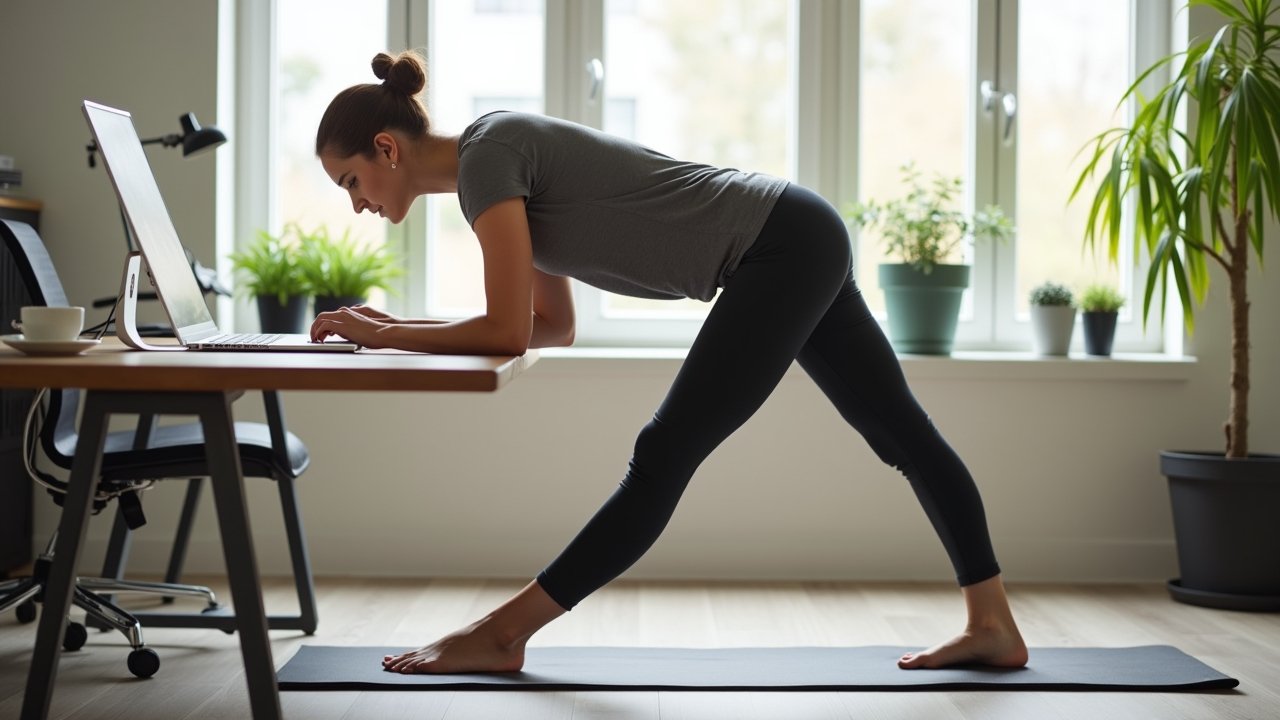
Desk yoga poses at work aren’t about becoming a pretzel in your cubicle. They’re simple stretches you can do right at your desk, in your office chair, without anyone even noticing. And they make a massive difference for things like neck pain, tight shoulders, and that awful lower back stiffness we all pretend is normal.
Why Your Body Is Basically Begging You to Move
So here’s the thing — our bodies were not designed to sit in a chair staring at a screen for eight hours straight. I learned this the hard way when I started getting these brutal tension headaches every afternoon. My physical therapist told me it was from my neck and shoulders being locked in the same position all day long.
Sitting for prolonged periods can lead to poor posture, reduced circulation, and even increased stress levels. Even if you’ve got the fanciest ergonomic setup in the world, your muscles still need movement. That’s where office yoga stretches come in — they interrupt the cycle of stillness and give your body a much-needed reset.
Advertisements
My Favorite Desk Yoga Poses (That Won’t Make You Look Weird)
Alright, let’s get into the actual poses. I’ve been doing these for about two years now, and these are the ones that stuck because they actually work and they’re super low-key.
Seated Cat-Cow Stretch
This one’s a game-changer for lower back pain. Sit at the edge of your chair with your feet flat on the floor. On an inhale, arch your back and look up toward the ceiling, then on the exhale, round your spine and tuck your chin — just like the traditional cat-cow but sitting down. I do this one probably five times a day, no joke.
Seated Spinal Twist
Oh man, this one feels incredible after a long stretch of typing. Place your right hand on the back of your chair and gently twist your torso to the right, holding for about five breaths. Then switch sides. The first time I did this at work, my spine popped and my coworker thought something was wrong — but I felt amazing.
Neck Rolls and Shoulder Shrugs
These are so simple that people overlook them, but they’re honestly the most important desk stretches for office workers. Slowly roll your neck in a circle, then reverse direction. For shoulder shrugs, just lift your shoulders up to your ears, hold for a second, and drop them. The tension release is chef’s kiss.
Wrist and Finger Stretches
If you type all day, your wrists are probably tighter than you realize. Extend one arm out, palm up, and gently pull your fingers back with the other hand. I started doing this after I got some scary tingling in my hands — turned out it was just repetitive strain, but it was a wake-up call.
Seated Forward Fold
Push your chair back a bit, plant your feet, and just fold forward letting your head and arms hang heavy toward the floor. Hold it for a few deep breaths. This one stretches your hamstrings and lower back simultaneously, and it’s weirdly calming during a stressful day.
When and How Often Should You Do Chair Yoga at Work?
I try to do a quick 3-5 minute stretch routine every 60 to 90 minutes. Setting a timer on my phone was the trick that actually made it stick — otherwise I’d just forget and wonder why my neck hurt at 5 PM. Some people like doing a longer morning stretch session, and that’s cool too. The point is consistency over intensity.
Your Body Will Thank You Tomorrow
Look, desk yoga isn’t gonna replace a full workout or a proper yoga class. But as a daily habit for workplace wellness, it’s been a lifesaver for me personally. Start with just one or two poses and build from there — you don’t need to do everything at once.
Just be mindful of your body’s limits, especially if you have any existing injuries. Never push into pain. And if something feels off, check with a healthcare professional before continuing.
Want more tips on making your workspace work for your body instead of against it? Head over to the Ergonomic Flow blog for more practical guides on posture, stretching, and creating a healthier work environment. Your future self will be grateful, trust me.