
Advertisements
Small Space Home Office Ergonomic Setup: How I Stopped Destroying My Back in a Tiny Apartment
Here’s a stat that honestly blew my mind — nearly 58% of remote workers report new aches and pains since working from home, according to a Bureau of Labor Statistics report. I was absolutely one of them. When the pandemic hit and I got shoved into a 90-square-foot spare bedroom with a folding chair and a wobbly IKEA table, my body let me know real quick that this wasn’t gonna work!
The thing is, having a small space doesn’t mean you have to sacrifice ergonomics. It took me a solid year of trial and error (and one really expensive chiropractor visit) to figure that out, but I finally did. So let me walk you through what actually works when you’re trying to build an ergonomic home office in a space the size of a closet.
The Desk Situation: Smaller Than You Think Is Fine
My first big mistake was thinking I needed a massive desk to be productive. I don’t. What I actually needed was a desk at the right height — roughly 28 to 30 inches for most people — where my elbows could rest at a comfortable 90-degree angle.
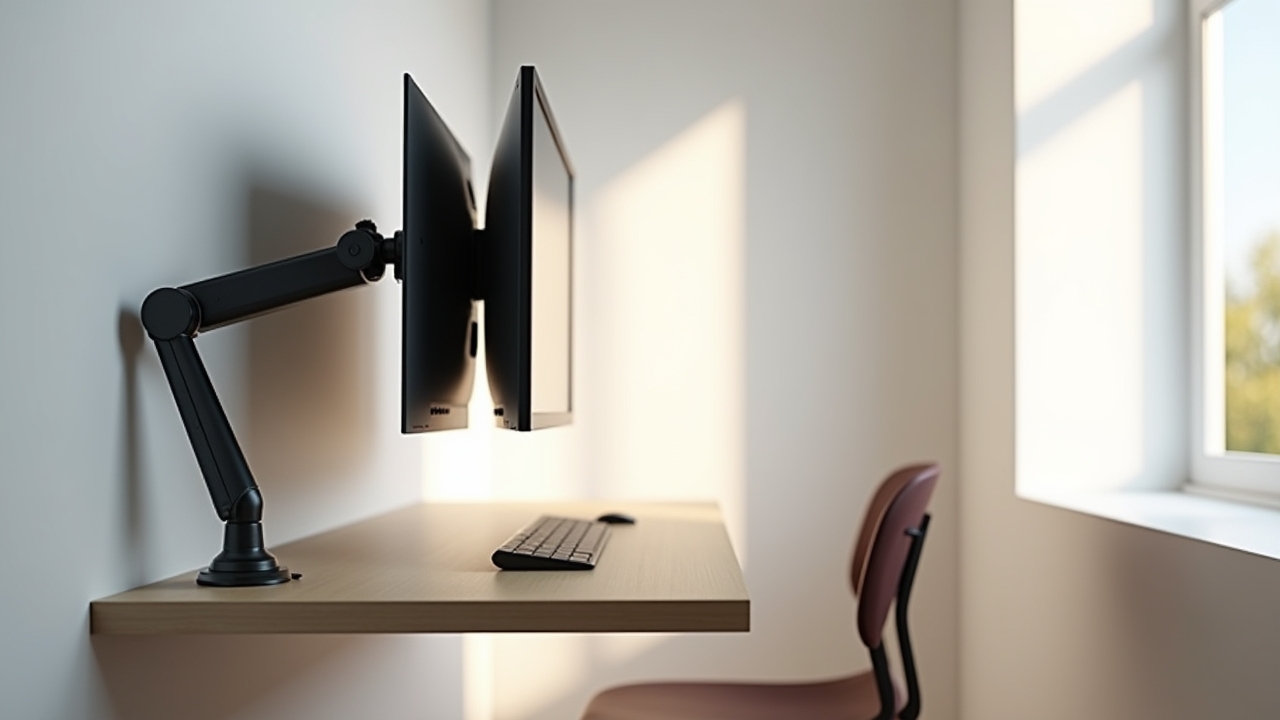
I ended up going with a wall-mounted floating desk, and honestly it was a game-changer. These things take up virtually zero floor space and you can install them at whatever height works for your body. If you’re feeling fancy, there are even compact sit-stand desk converters designed specifically for tight spaces.
Advertisements
One tip I learned the hard way: measure your space before buying anything. I once ordered a corner desk that literally didn’t fit through my door. Yeah, that was a fun afternoon.
Your Chair Matters More Than Everything Else Combined
Look, I get it. A good ergonomic office chair feels like a ridiculous expense when you’re working from a spare bedroom. But your lumbar spine doesn’t care about your budget, trust me.
That said, you don’t need one of those giant gaming-style chairs that swallows half the room. There are plenty of compact ergonomic chairs with proper lumbar support, adjustable seat height, and breathable mesh backs that fit perfectly in small spaces. The Herman Miller line is legendary, but there are way more affordable options that still give you adjustable armrests and good posture support.
If a full chair truly won’t fit, I’ve seen people have great results with an ergonomic stool or even a well-chosen kneeling chair. These have a much smaller footprint and they actually engage your core throughout the day.
Monitor Height: The Thing Nobody Thinks About
For months I was hunched over my laptop like some kind of office gremlin. My neck was wrecked. Then a friend who’s a physical therapist told me the top of my screen should be at eye level, and I felt so dumb for not knowing this sooner.
In a small space, a monitor arm that clamps to your desk is absolute gold. It frees up desk real estate and lets you adjust the screen height perfectly. Pair that with a separate compact keyboard and mouse, and suddenly your whole posture changes. I’m not exaggerating — my neck pain was basically gone within two weeks of making this switch.
Lighting and Accessories You Shouldn’t Skip
Eye strain is an ergonomic issue too, and people forget that all the time. A small LED desk lamp with adjustable brightness made a huge difference for me, especially during those late afternoon Zoom calls where natural light starts fading.
A few other small-space-friendly accessories worth grabbing:
- A footrest to keep your feet flat and improve circulation
- A laptop stand if you’re not using a separate monitor
- A compact keyboard tray that slides under your desk
- Cable management clips — because tripping over cords in a tiny room is a real hazard
Your Tiny Office Can Still Treat Your Body Right
The biggest lesson I’ve learned through all of this is that ergonomic comfort isn’t about square footage. It’s about being intentional with the space you have and choosing equipment that actually fits your body and your room.
Start small — maybe just fix your monitor height this week and upgrade your chair next month. Every adjustment compounds over time, and your back and neck will thank you for it. Just please don’t make the mistake I did and wait until you’re in pain to start caring about this stuff.
Want more tips on creating a workspace that actually supports your health? Head over to Ergonomic Flow and check out our other posts — we’ve been geeking out about this stuff for a while now!