
Advertisements
Best Ergonomic Chairs for Long Work Sessions: What I Learned After Destroying My Back
Here’s a stat that honestly scared me — the average office worker sits for about 10 hours a day. I was one of those people, parked in a cheap $80 chair from a big-box store, wondering why my lower back felt like it was being stabbed by tiny knives every evening. It took me nearly two years of ignoring the pain before I finally invested in a proper ergonomic office chair, and let me tell you, I wish I’d done it sooner!
If you work from home or spend marathon sessions at a desk, choosing the right chair isn’t a luxury. It’s basically a health decision. So let me walk you through what I’ve learned — the hard way — about finding the best ergonomic chairs for long work sessions.
Why Your Chair Matters More Than You Think
I used to think a chair was just a chair. Boy, was I wrong. Sitting for extended periods in a poorly designed seat can lead to chronic back pain, poor posture, and even issues like sciatica that’ll have you wincing every time you stand up.
When I finally talked to my chiropractor about my situation, she told me that lumbar support and seat depth are the two things most people overlook. A good ergonomic chair supports the natural curve of your spine, and that’s something a flat-backed dining chair simply cannot do. Your body was not designed to sit for eight-plus hours, so the least you can do is give it proper support.
Advertisements
Features I Actually Look For Now
After testing way too many chairs — seriously, my garage looked like a furniture showroom for a while — I’ve narrowed down the features that actually matter for long work sessions.
- Adjustable lumbar support: This is non-negotiable. Your lower back curve is unique, and being able to adjust the depth and height of the lumbar cushion makes a huge difference.
- Seat depth adjustment: If the seat pan is too long, it presses into the back of your knees. Too short and your thighs aren’t supported. You want about a two-finger gap between the seat edge and your knees.
- Adjustable armrests: I ignored armrests for years. Then I developed shoulder tension that wouldn’t quit. 4D armrests that move up, down, forward, back, and side to side are a game changer.
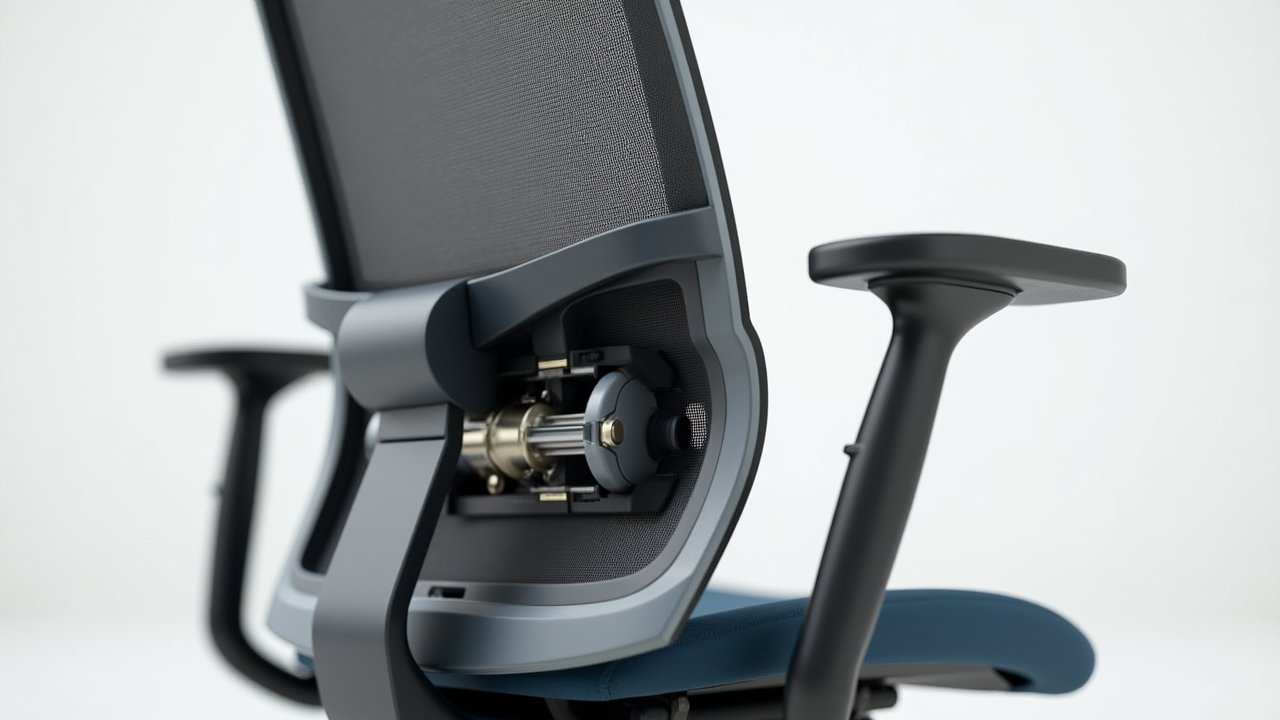
- Breathable mesh back: If you’re sitting for hours, you will sweat. A mesh backrest keeps airflow going so you’re not peeling yourself off leather at 3 PM.
- Recline and tilt lock: Sometimes you need to lean back and think. A good recline mechanism with adjustable tension lets you do that without feeling like you’re gonna tip over.
Chairs That Have Actually Worked for Me
Okay, so I’m not gonna pretend there’s one perfect chair for everyone because that would be a lie. But I can share what’s worked for me and people I’ve recommended chairs to over the years.
The Herman Miller Aeron is the one I personally use daily. Yeah, it’s expensive — like, really expensive — but I’ve had mine for four years and it still feels brand new. The PostureFit SL lumbar support is phenomenal for those 10-hour coding or grading sessions I sometimes pull.
For something more budget-friendly, the Autonomous ErgoChair Pro was actually the first “real” ergonomic chair I bought. It has solid adjustability for the price and honestly got me through two years of remote teaching without major complaints. It’s not as refined as the Aeron, but at roughly a third of the cost, it’s a fantastic entry point.
I also had a colleague who swore by the Secretlab Titan, which leans more into that gaming chair aesthetic but actually has legitimate ergonomic features. The built-in adjustable lumbar was surprisingly good for extended sitting.
Your Back Will Thank You Later
Look, I spent years being cheap about my chair and paid for it with physical therapy bills that far exceeded what a decent ergonomic seat would have cost me. The best chair for long work sessions is ultimately the one that fits your body, your budget, and your work style — so don’t just take my word for it, try before you buy whenever possible.
Remember to adjust everything — height, armrests, lumbar, tilt — because even the best chair in the world won’t help if it’s not set up correctly for you. And please, take breaks. No chair replaces standing up and moving around every hour.
Want more tips on creating a workspace that doesn’t wreck your body? Head over to the Ergonomic Flow blog where we’re always sharing practical advice for healthier, more comfortable work setups. Your future self will seriously appreciate it!