
Advertisements
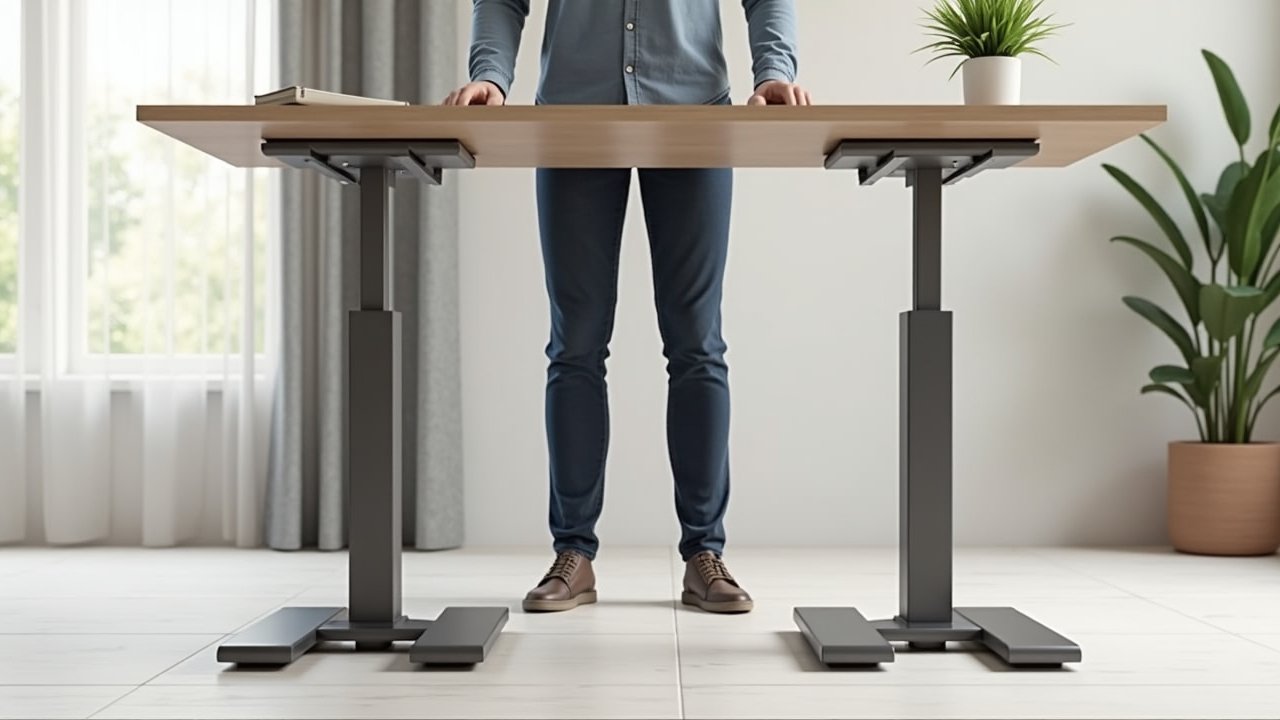
Ergonomic Tips for Tall People: How to Finally Make Your Desk Work for You
Here’s a stat that honestly blew my mind — roughly 20% of American men stand 6 feet or taller, yet almost every standard desk on the market is built for someone around 5’8″. That’s a lot of people hunching over furniture that was never designed for them! As a 6’3″ guy who spent years dealing with neck pain and a sore lower back, I can tell you firsthand that ignoring desk ergonomics when you’re tall is a recipe for misery.
So let’s talk about ergonomic tips for tall people and desks. Because trust me, once you get this right, it’s a game-changer.
Why Standard Desks Are a Nightmare for Tall Folks
Most office desks sit at about 28 to 30 inches high. For someone who’s 6’2″ or above, that’s way too low. You end up rounding your shoulders, craning your neck down, and basically folding yourself like a lawn chair just to type an email.
I remember my first office job — I was 24 and thought the back pain was just “part of adulting.” Nope. It was the desk. It took me an embarrassingly long time to figure that out, and by then I’d already developed some pretty gnarly tension headaches that stuck around for months.
Advertisements
Get Your Desk Height Right First
This is the foundation of everything. For tall people, your desk surface should allow your elbows to rest at a 90-degree angle when typing. For someone 6’2″, that usually means a desk height around 31 to 33 inches — sometimes even higher.
A height-adjustable standing desk was honestly the best investment I ever made. It lets you dial in the exact height whether you’re sitting or standing. If buying a new desk isn’t in the budget, desk risers or adjustable keyboard trays can be a solid workaround too.
Your Chair Matters Just as Much
Here’s where I made another rookie mistake. I bought a fancy ergonomic chair but didn’t check the seat depth or the maximum height adjustment. It looked great, but my knees were practically at my chest.
Tall people need chairs with a seat height that goes up to at least 20-22 inches, a deep seat pan (around 19-20 inches), and solid lumbar support that actually reaches your lower back. Brands like Herman Miller and Steelcase make models specifically suited for taller frames. Don’t cheap out here — your spine will thank you later.
Monitor Placement: Stop Looking Down
This one’s sneaky because you don’t realize how much damage it’s doing until the neck stiffness becomes constant. The top of your monitor should be at or just below eye level, and it should sit about an arm’s length away from your face.
For tall people sitting at a properly elevated desk, you’ll almost certainly need a monitor arm or a tall monitor stand. I use a simple adjustable monitor arm clamped to the back of my desk, and it was like forty bucks. Probably the best forty bucks I’ve ever spent on my workspace, honestly.
Don’t Forget What’s Happening Under the Desk
Your feet should be flat on the floor with your thighs roughly parallel to the ground. Sounds simple, right? But if your chair is cranked up high enough to match a tall desk, your feet might not reach the floor comfortably anymore.
A footrest can fix this. I actually used a stack of old textbooks for about a year before I finally got a proper adjustable footrest. Not my proudest moment, but hey — it worked. Also make sure there’s enough legroom under your desk so your knees aren’t bumping into drawers or crossbars. That gets old real fast.
Quick-Reference Checklist for Tall Desk Ergonomics
- Desk height: 31-33+ inches depending on your height
- Elbows at 90 degrees while typing
- Monitor top at eye level, arm’s length away
- Chair seat height: 20-22 inches minimum
- Feet flat on floor or on a footrest
- Adequate under-desk legroom
Your Back Deserves Better — Start Today
Look, being tall is great for reaching the top shelf and terrible for finding a desk that fits. But it doesn’t have to stay that way. Even small adjustments — raising your monitor, swapping your chair, or just sticking a riser under your desk — can make a huge difference in how you feel at the end of a workday.
Customize these tips to your own body because everyone’s proportions are a little different, even among tall people. And please, don’t ignore persistent pain — see a professional if something doesn’t feel right. If you want more practical advice like this, head over to Ergonomic Flow where we’re always sharing tips to help you work smarter and feel better!