Advertisements
Lumbar Support Pillows for Office Chairs: What I Wish I Knew Before My Back Gave Out
Here’s a stat that honestly scared me — nearly 619 million people worldwide suffered from low back pain in 2020. I became one of them about three years ago, and let me tell you, it was entirely my own fault. I spent years sitting in a cheap office chair with zero back support, thinking I was “too young” for that stuff.
Turns out, lumbar support pillows for office chairs aren’t just for older folks or people with existing conditions. They’re for literally anyone who sits for more than a few hours a day. And once I finally got one, I kicked myself for waiting so long!
Why Your Office Chair Is Probably Failing Your Lower Back
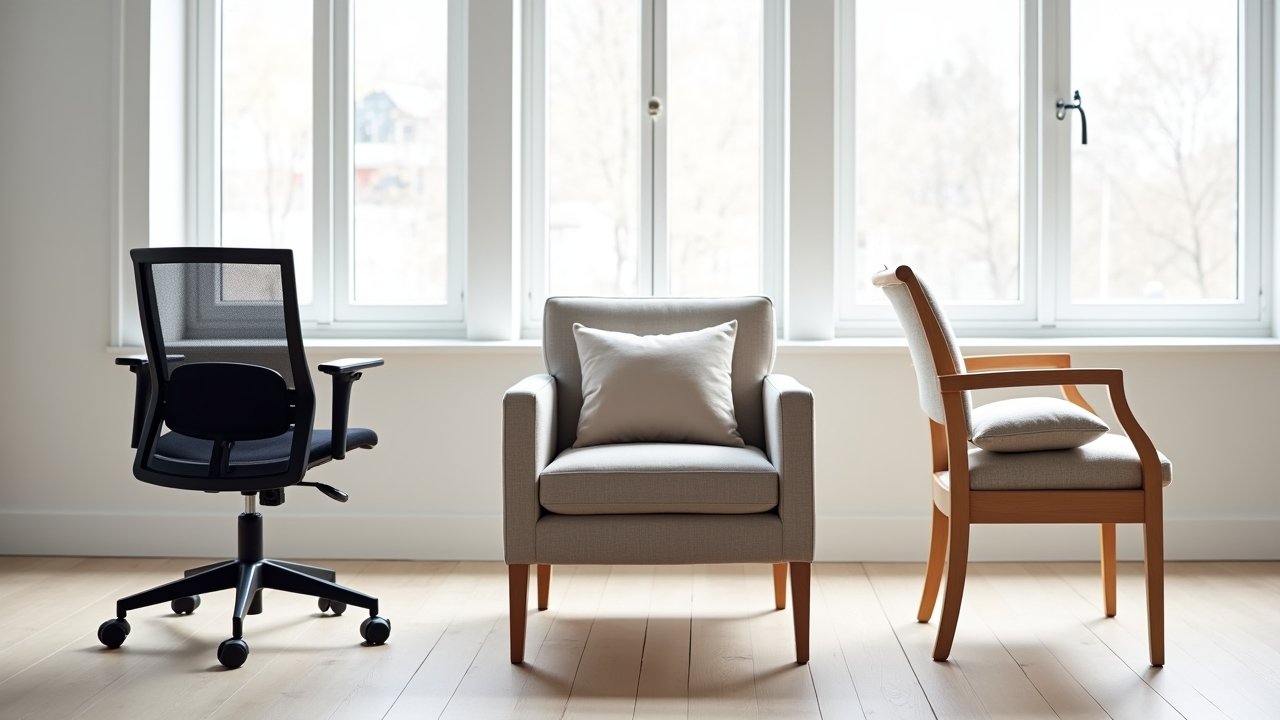
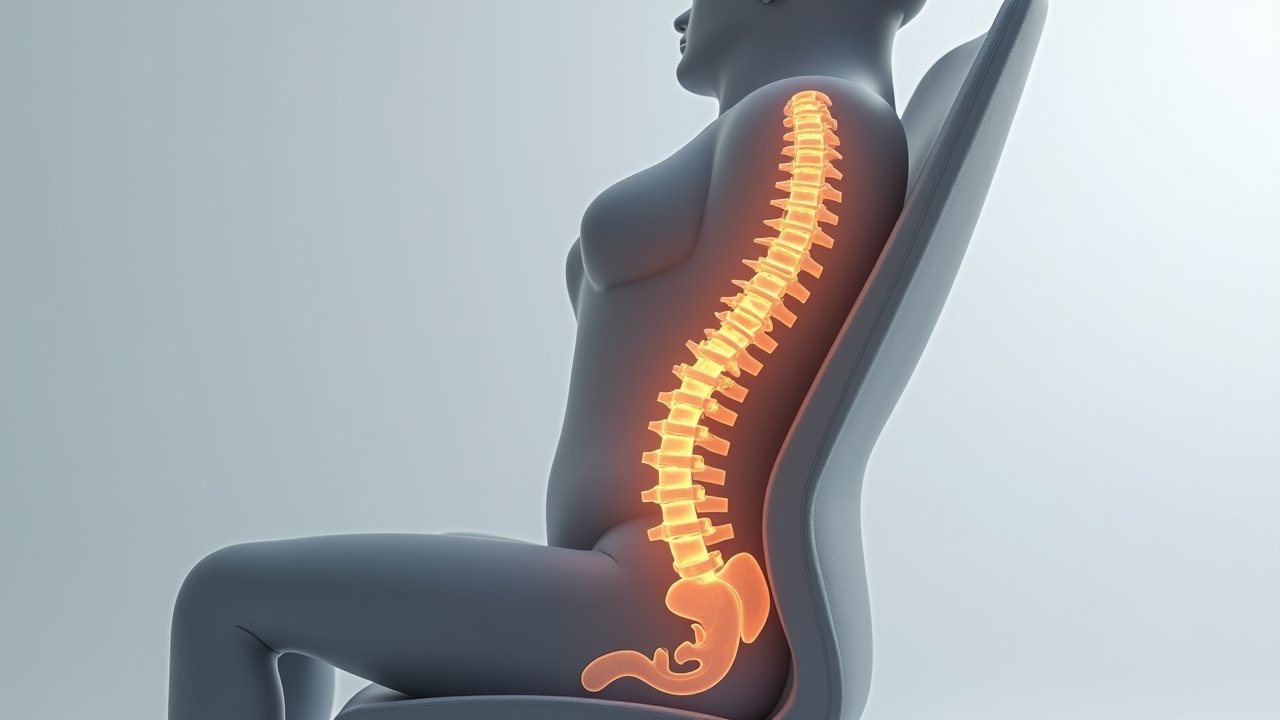
Most standard office chairs come with this vague, flat backrest that does absolutely nothing for your lumbar spine. The natural curve of your lower back — that inward arch — needs something to fill the gap between your spine and the chair. Without it, you’re basically forcing your back muscles to work overtime just to keep you upright.
I remember sitting at my desk one afternoon grading papers and feeling this dull ache that just wouldn’t quit. It was like someone had shoved a tennis ball into my lower back, except the problem was actually the opposite — there was nothing there at all. That’s when a colleague mentioned I should try an ergonomic lumbar pillow, and honestly, it changed everything.
Advertisements
What to Actually Look for in a Lumbar Support Pillow
Not all back support cushions are created equal. Trust me, I bought two terrible ones before finding something that worked. Here’s what I learned matters most:
- Memory foam density: You want something firm enough to maintain its shape but soft enough to conform to your spine. Super cheap foam flattens out within weeks.
- Contour shape: A good lumbar cushion should have a curved design that mimics the natural lordotic curve of your spine.
- Adjustable straps: This is huge. If the pillow slides down every time you stand up, you’ll stop using it. Period.
- Breathable cover: Mesh or ventilated covers prevent that gross sweaty-back feeling during long work sessions.
One pillow I tried from a random Amazon listing was basically a glorified throw pillow. It had no structure whatsoever and was returned within two days. The second one was better but way too thick — it pushed me forward in my seat like I was perching on the edge. Finding the right thickness for your specific chair depth is something most people overlook.
How a Lumbar Pillow Actually Helps Your Posture
So here’s the deal with sitting posture. When your lower back is properly supported, a kind of chain reaction happens up your entire spine. Your shoulders naturally pull back, your neck aligns over your shoulders, and suddenly you’re not hunching like a question mark anymore.
The Mayo Clinic recommends maintaining proper lumbar support as one of the key strategies for preventing back pain. It’s not just about comfort — it’s about keeping your spinal discs from being compressed unevenly, which can lead to some seriously painful issues down the road.
After about a week of using my current lumbar support cushion, I noticed I wasn’t doing that weird end-of-day stretch where I’d arch backwards like a cat. My lower back pain had reduced dramatically, and my sitting posture improved without me even thinking about it.
A Few Mistakes I Made (So You Don’t Have To)
First, I positioned the pillow way too high on my chair. The lumbar support should sit right at the small of your back — roughly at your belt line. Not between your shoulder blades. That’s a different problem entirely.
Second, I assumed the pillow alone would fix everything. It won’t. You still gotta get up and move every 30-45 minutes, adjust your chair height so your feet are flat on the floor, and maybe throw in some core strengthening exercises. A lumbar pillow is one piece of the ergonomic puzzle, not the whole thing.
Your Back Will Thank You Later
Look, investing in a quality lumbar support pillow for your office chair is one of the easiest and most affordable ergonomic upgrades you can make. It doesn’t require a fancy new chair or a standing desk — just a well-designed cushion that fits your body and your seat.
Everyone’s spine is a little different, so don’t be afraid to experiment with positioning and firmness until it feels right. And please, don’t wait until you’re in pain like I did. For more tips on creating a healthier workspace, check out other posts on Ergonomic Flow — your back deserves it!