
Advertisements
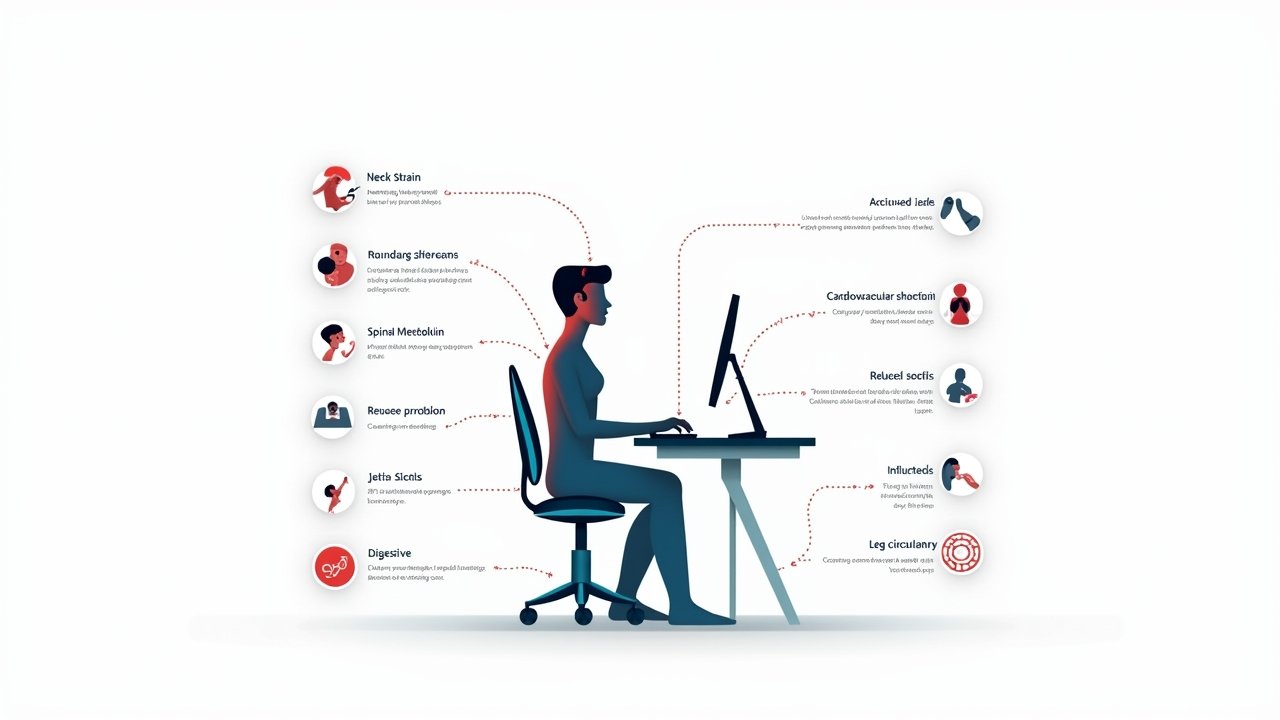
Sitting All Day Destroys Productivity — And I Learned That the Hard Way
Here’s a stat that honestly shook me: the World Health Organization estimates that physical inactivity contributes to over 3.2 million deaths per year worldwide. But even before it gets that extreme, sitting all day destroys productivity in ways you don’t even notice until it’s too late. I know because I spent the better part of three years glued to my desk chair, wondering why my brain felt like mush by 2 PM!
Look, I’m a teacher and a writer, so my life basically revolves around chairs. And for the longest time, I thought pushing through that afternoon fog was just part of being an adult. Turns out, I was dead wrong.
What Prolonged Sitting Actually Does to Your Brain
So here’s the thing most people don’t realize — it’s not just your back that suffers from a sedentary lifestyle. When you sit for hours without moving, blood flow to your brain literally decreases. Less blood flow means less oxygen, and less oxygen means your focus, creativity, and decision-making all take a nosedive.
I remember this one Wednesday — I’d been parked in my home office chair for about five straight hours grading papers. I caught myself reading the same student’s paragraph four times and still not absorbing it. My cognitive function was basically running on fumes, and I didn’t even realize it until my wife walked in and asked why I was staring blankly at the screen.
Advertisements
Research from Mayo Clinic backs this up — prolonged sitting is linked to increased fatigue, reduced mental sharpness, and even heightened anxiety. It’s not just a comfort issue. It’s a performance killer.
The Sneaky Energy Drain Nobody Talks About
Here’s what really got me frustrated. I was sleeping eight hours, eating decent meals, drinking my water — doing all the “right” things. But I still felt exhausted by mid-afternoon every single day.
The culprit? Desk fatigue. When your body stays in one static posture for too long, your muscles basically go to sleep. Your metabolism slows down, your energy levels tank, and that post-lunch slump hits like a freight train. It’s been shown that even your mood takes a hit, which obviously doesn’t help when you’re trying to crank out quality work.
I used to think I needed more coffee. Nope. I needed to move more. Simple as that.
Small Changes That Made a Huge Difference for Me
Okay so here’s where I actually have some good news. You don’t need to overhaul your entire life to fix this. A few intentional tweaks to your daily work routine can seriously boost your workplace productivity.
Here’s what worked for me:
- The 30-minute rule: I set a timer on my phone, and every 30 minutes I stand up and move for at least two minutes. Walking to the kitchen, doing some stretches, whatever. It sounds silly but it was a game changer.
- A standing desk setup: I picked up an adjustable standing desk converter and started alternating between sitting and standing throughout the day. The difference in my afternoon energy was noticeable within the first week.
- Walking meetings: Whenever I have a phone call that doesn’t require me to be at my computer, I take it while walking around the block. Fresh air plus movement equals way better thinking.
- Ergonomic chair upgrade: I finally ditched that old dining chair I’d been using (embarrassing, I know) and got a proper ergonomic office chair with lumbar support. My lower back pain improved within days.
Honestly, the standing desk alone probably gave me back an extra hour of real, focused work each day. I’m not even exaggerating.
Your Chair Isn’t Just Furniture — It’s a Productivity Tool
If there’s one thing I want you to take away from this, it’s that sitting all day destroys productivity more than most people are willing to admit. We obsess over apps, time management hacks, and morning routines, but we ignore the most basic thing — how our body feels while we work.
Start small. Set that timer. Stand up more. Take a walk at lunch. Your brain and your body will thank you, and honestly, your work output will speak for itself. Everybody’s situation is a little different, so experiment and find what rhythm works best for you.
Want more practical tips on creating a healthier, more productive workspace? Head over to the Ergonomic Flow blog — we’ve got tons of guides to help you work smarter, not stiffer!