Advertisements
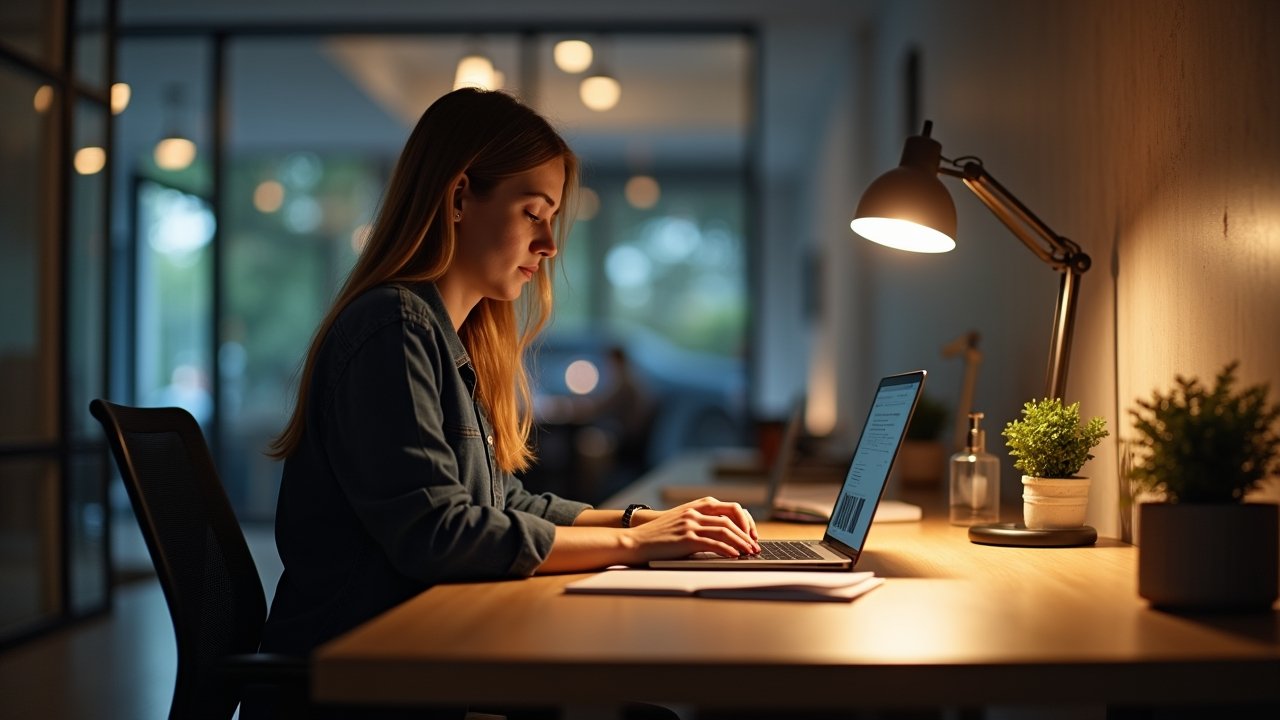
How I Finally Fixed My Home Office Lighting (And Why My Posture and Focus Followed)
Here’s a stat that honestly blew my mind: according to the International Labour Organization, over 260 million people were working from home before the pandemic even hit. That number skyrocketed since then. And yet, most of us — myself included for way too long — are sitting in poorly lit rooms wondering why our backs ache and our brains feel like mush by 2 PM!
I spent nearly two years hunching over my laptop in a dim corner of my spare bedroom. It wasn’t until I started connecting the dots between my home office lighting, my terrible posture, and my inability to focus that things finally changed. Let me walk you through what I learned, because honestly, it was a game-changer.
The Moment I Realized My Lighting Was Wrecking Everything
So picture this. I’m squinting at a spreadsheet at 3 in the afternoon, my neck is craned forward like a turtle, and I’ve reread the same row of numbers four times. I thought I needed glasses — turns out I just needed better desk lighting.
When your workspace is too dim, your body naturally leans forward to see the screen better. That forward head posture puts serious strain on your cervical spine. The Mayo Clinic’s office ergonomics guide explains how proper workstation setup — including lighting — directly affects your spinal alignment and overall comfort.
Advertisements
I was basically giving myself neck pain and brain fog at the same time. Two for one, and not the good kind.
Natural Light Is Your Best Friend (But It’s Complicated)
My first move was dragging my desk next to the window. Game-changer for my mood and energy levels, no doubt about it. Natural daylight helps regulate your circadian rhythm, which improves concentration and alertness throughout the day.
But here’s where I messed up — I put the window directly behind my monitor. The glare was absolutely brutal. I’d end up slouching and tilting my head at weird angles just to avoid the reflection on my screen.
The fix was positioning my desk so the window was to my side instead. Perpendicular to the screen is the sweet spot. That way you get the benefits of natural ambient light without the glare messing with your eyes and posture.
Task Lighting Changed My Focus Game
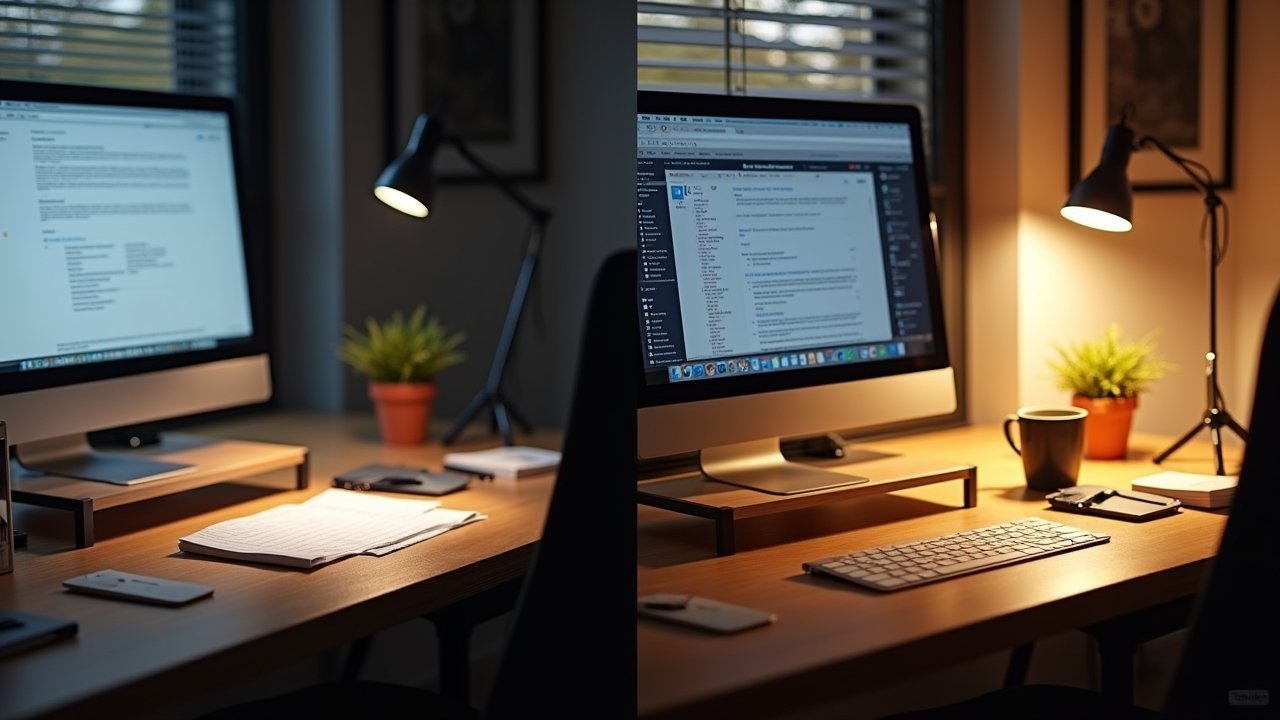
Once the sun goes down, though, you need a solid plan. I picked up an adjustable LED desk lamp with multiple color temperature settings, and honestly it was one of the best investments I’ve made for my workspace.
Here’s what I learned about color temperature and productivity:
- Cool white light (around 5000K–6500K) mimics daylight and is great for focused task work
- Warm light (2700K–3000K) is better for winding down or creative brainstorming
- Mid-range neutral light (around 4000K) works well for general office tasks
I keep my lamp at around 5000K during deep work sessions and dial it down later in the afternoon. My eye strain has been reduced dramatically, which means I’m not leaning in or rubbing my eyes every twenty minutes. That alone improved my sitting posture more than I expected.
The Posture-Lighting Connection Nobody Talks About
This is the thing that frustrated me for the longest time — I kept buying ergonomic chairs and lumbar pillows, but I was still slouching. Nobody told me that insufficient lighting was a root cause of my bad ergonomic habits.
When you can see your work clearly, you sit back. You relax your shoulders. Your monitor distance feels right because you’re not straining to read anything.
I also added a bias light behind my monitor — just a simple LED strip — to reduce the contrast between the bright screen and the dark wall behind it. It reduces eye fatigue like crazy, and I noticed I stopped that unconscious forward lean almost immediately.
Your Setup, Your Rules
Look, everyone’s home office is different. Maybe you’re working from a kitchen table or a closet-turned-office (been there, no judgment). The key takeaway is that lighting isn’t just about seeing — it directly impacts how you sit and how well you concentrate.
Start small. Reposition your desk relative to windows, grab a decent adjustable lamp, and pay attention to how your body responds. You might be surprised how much changes when you can actually see properly.
If you want more tips on building a workspace that actually supports your body and brain, check out the Ergonomic Flow blog for practical guides you can use right away. Your back will thank you!