Advertisements
How an Under Desk Footrest Gave Me Better Posture (And Saved My Aching Back)
Here’s a stat that honestly blew my mind: the average office worker sits for about 10 hours a day. Ten! I used to be one of those people slumped in my chair, legs dangling awkwardly, wondering why my lower back felt like it was staging a full-on rebellion by 3 PM. Then I discovered something ridiculously simple that changed everything — an under desk footrest for better posture.
If you’ve been ignoring your feet while obsessing over your chair and monitor height, trust me, you’re missing a huge piece of the ergonomic puzzle. Let me walk you through what I learned the hard way.
Why Your Feet Matter More Than You Think
So here’s the thing nobody told me for years. When your feet don’t rest flat on a stable surface, your entire body compensates in weird ways. Your pelvis tilts, your spine curves unnaturally, and before you know it you’re basically sitting like a human question mark.
I’m 5’6″, which means most standard desks are just a tad too high for me. My feet would either dangle slightly or I’d tuck them under the chair like a pretzel. Neither option was doing my lumbar spine any favors, and my hip flexors were getting tighter by the week.
Advertisements
An ergonomic footrest essentially bridges that gap between your feet and the floor. It promotes a roughly 90-degree angle at your knees and hips, which is what experts at the OSHA workstation guidelines actually recommend for proper seated posture.
My Honest Experience With Using a Footrest
I’ll be real — when I first bought a foam footrest off Amazon, I thought it was gonna be one of those things that collects dust under my desk. Boy, was I wrong. Within the first week, I noticed I wasn’t shifting around in my chair every five minutes like a restless kid.
The biggest change was in my lower back pain. It didn’t vanish overnight, but it went from a daily annoyance to something I’d only notice if I forgot to use the footrest. My posture alignment just felt more natural, like my body finally knew where it was supposed to be.
One mistake I made early on though — I got a footrest that was too tall. Instead of helping, it pushed my knees above my hips and actually made things worse for a few days. So measuring matters, people!
What to Look for in an Under Desk Footrest
Not all footrests are created equal, and I learned this through some trial and error. Here’s what actually matters when you’re shopping around:
- Adjustable height — This is non-negotiable. Your desk setup might change, and you need a footrest that adapts with you.
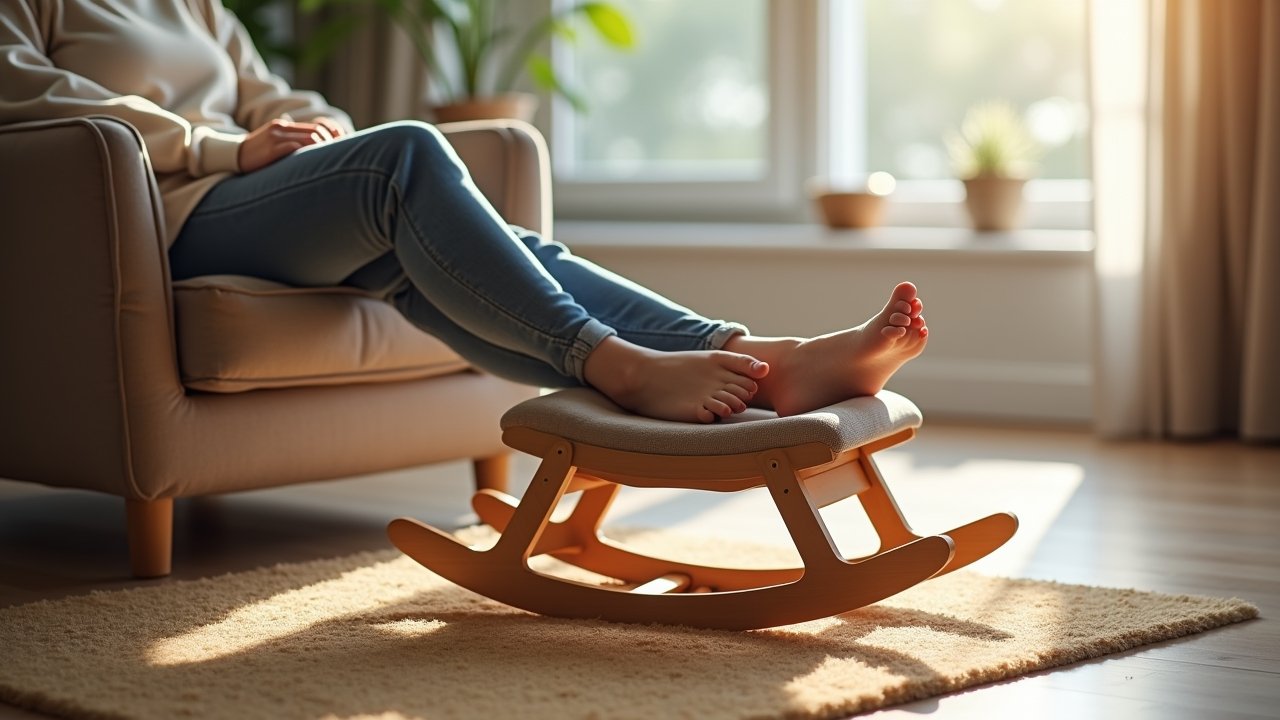
- Tilt angle — A slight rocking or tilting feature encourages micro-movements, which helps with blood circulation in your legs.
- Surface texture — Something with a bit of grip keeps your feet from sliding off. Sounds minor but its super annoying when it happens.
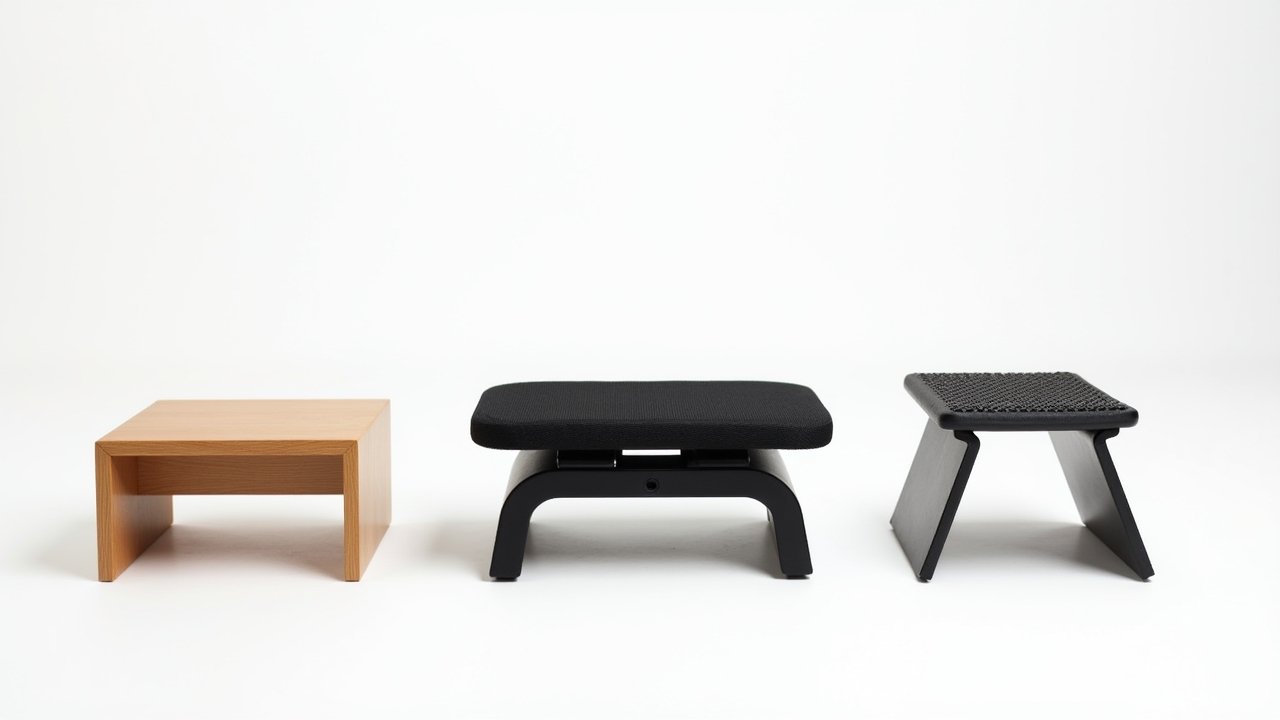
- Material — Foam is comfy but flattens over time. Hard plastic or wooden footrests last longer but might need a cushion on top.
If you want a rocking-style option, something like the Humanscale FR500 is a solid pick that a lot of ergonomic consultants recommend. For budget-friendly foam options, honestly there’s dozens on Amazon that work perfectly fine.
Quick Tips to Maximize the Benefits
Just plopping your feet on a footrest isn’t enough — you gotta set it up right. Make sure your thighs are parallel to the floor and there’s no pressure on the back of your knees. That pressure can restrict circulation and cause numbness, which totally defeats the purpose.
Also, pair your footrest with regular standing breaks. Even the best ergonomic desk accessories can’t replace the simple act of getting up and moving every 30 to 45 minutes. I set a little timer on my phone and it’s been a game changer for my overall workplace wellness.
Your Feet Deserve Better
Look, an under desk footrest isn’t some magical cure-all. But combined with a decent chair and proper desk ergonomics, it’s one of the easiest and cheapest upgrades you can make for better posture and less pain throughout your workday. My back thanks me every single day for finally figuring this out.
Everyone’s body is different, so experiment with heights and angles until you find your sweet spot. And if you’re curious about more ways to build an ergonomic workspace that actually works for you, head over to the Ergonomic Flow blog — we’ve got plenty of guides to help you sit smarter, not harder!