Advertisements
Balance Board Standing Desk Benefits: Why I’ll Never Go Back to Just Standing
Here’s a stat that honestly blew my mind — the average office worker sits for about 10 hours a day. Ten! When I first switched to a standing desk a few years ago, I thought I’d solved the problem. But after a couple months, my lower back was killing me and my legs felt like concrete posts by 3 PM. That’s when a coworker tossed a balance board under my feet, and honestly, everything changed.
If you’ve been curious about pairing a balance board with your standing desk, stick around. I’ve been using one daily for over two years now, and I’ve got some real talk about why it works.
What Even Is a Balance Board for a Standing Desk?
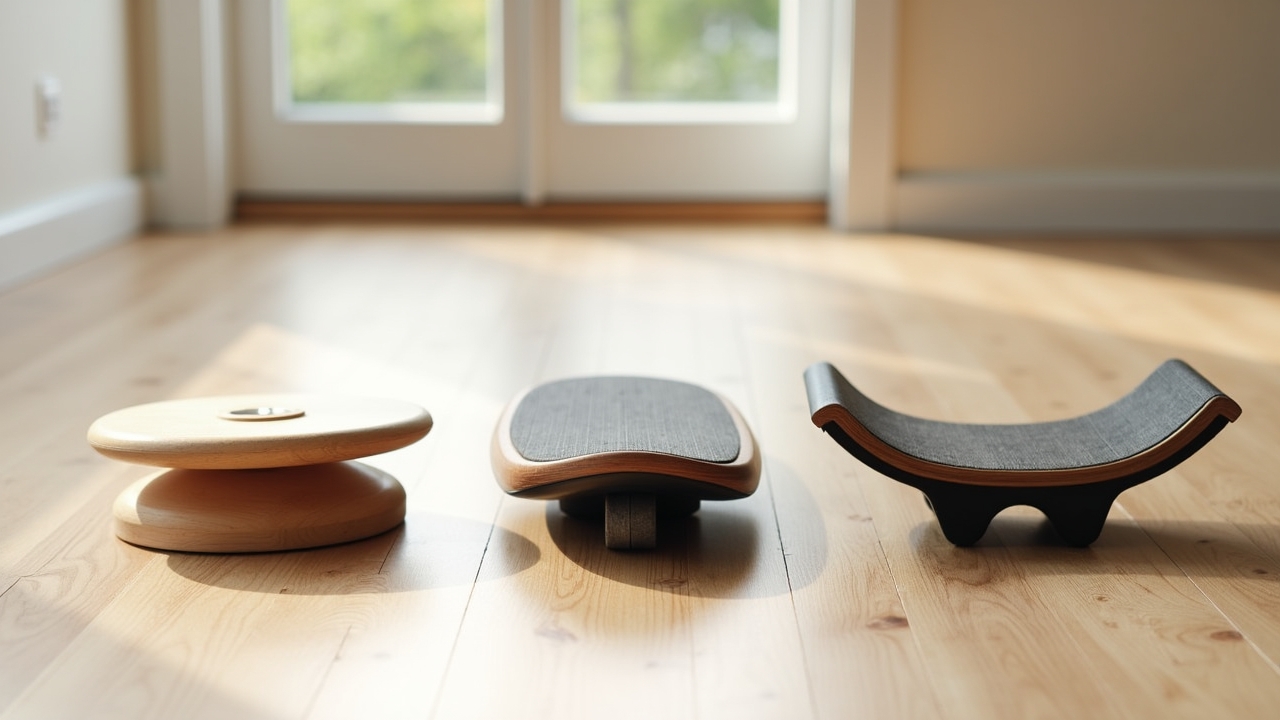
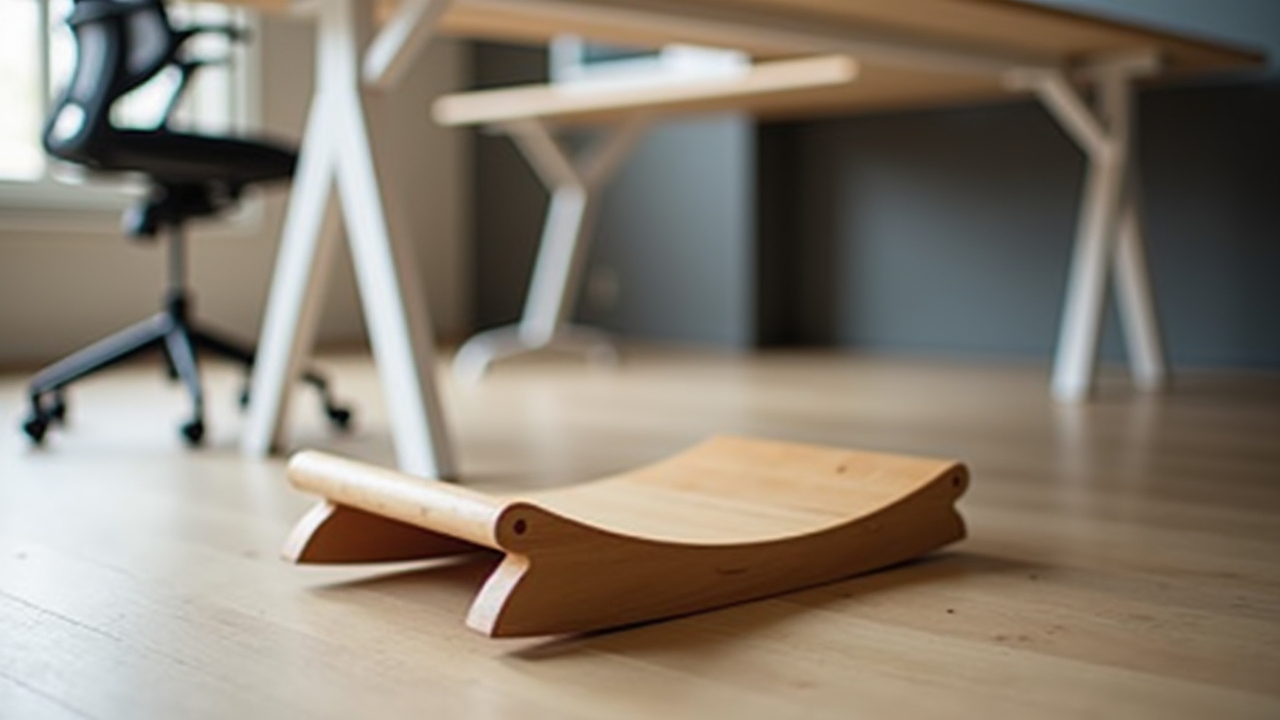
So a balance board is basically a curved or wobble-style platform you stand on while working. It’s not like some extreme skateboard thing — most standing desk balance boards are designed to create gentle, subtle movements throughout your day. Think of it like giving your body permission to fidget productively.
There’s a few different types out there. You’ve got rocker boards, wobble boards, and roller boards. I personally started with a simple rocker-style board because it felt the least intimidating, and I’d recommend the same if your balance ain’t great.
Advertisements
The Core Benefits I’ve Actually Noticed
Improved Posture and Core Engagement
This was the first thing that hit me. Within about a week of using my balance board, I noticed my core muscles were actually engaged while I worked. It’s not like doing crunches or anything, but your body is constantly making micro-adjustments to stay balanced, which activates your stabilizer muscles without you even thinking about it.
My physical therapist actually confirmed this. She said that the gentle instability forces your body to recruit muscles that normally just shut off when you’re standing still on flat ground.
Less Joint Pain and Fatigue
Standing in one position all day is weirdly exhausting. Like, I remember my ankles and knees would get so stiff by lunchtime that I’d just give up and sit down. The balance board fixed that almost immediately because your weight is constantly shifting. It’s like your joints stay lubricated and loose throughout the day.
According to Healthline, prolonged static standing can actually contribute to joint discomfort and varicose veins. A balance board basically eliminates the “static” part of the equation.
Better Focus and Productivity
Okay, this one surprised me the most. I thought rocking around on a board would be distracting. But it turns out that the gentle movement actually helps me concentrate better — kind of like how some people think better while pacing. There’s been research on how low-level physical activity can boost cognitive function, and I’m a believer now.
I grade papers faster on my balance board days. That’s just a fact.
Burns More Calories Than Just Standing
Look, I’m not gonna pretend this is a gym replacement. But the constant micro-movements do burn more calories than standing alone. Some estimates say you can burn an extra 100 calories or so over a full workday. It’s not life-changing, but hey, it adds up over months.
A Few Mistakes I Made (So You Don’t Have To)
First mistake — I tried to use the balance board for eight hours straight on day one. Bad idea. My calves were screaming the next morning. Start with 20-30 minute sessions and build up gradually.
Second, I bought a cheap board from some random Amazon seller and it cracked within three weeks. Invest in something quality from a reputable brand. Your feet will thank you.
Also, wear supportive shoes or good insoles. I was barefoot on my board for the first month and ended up with some gnarly foot pain. Lesson learned the hard way.
Your Feet Will Thank You Later
Honestly, adding a balance board to my standing desk setup was one of the best ergonomic decisions I’ve ever made. It transformed standing from something I dreaded into something that actually feels good. Your experience might look a little different than mine — maybe you’ll prefer a wobble board over a rocker, or maybe you’ll use it every other day instead of daily. That’s totally fine.
Just remember to ease into it and listen to your body. If something hurts, adjust. For more tips on creating a workspace that actually works for you, check out other posts on Ergonomic Flow — we’ve got plenty of guides to help you dial things in!