Advertisements
How Breathing Exercises Can Improve Your Posture at a Desk (Yes, Really!)
Here’s a stat that honestly blew my mind: the average office worker sits for about 10 hours a day. Ten! I used to be one of those people slumped over my keyboard like a human question mark, wondering why my back was screaming at me by 3 PM. Then a physical therapist told me something I never expected — that my terrible desk posture wasn’t just a muscle problem. It was a breathing problem.
Turns out, the way you breathe directly affects how you sit. And learning a few simple breathing exercises can genuinely transform your posture at a desk without fancy equipment or expensive ergonomic chairs. Let me walk you through what I’ve learned the hard way.
Why Your Breathing and Posture Are Best Friends
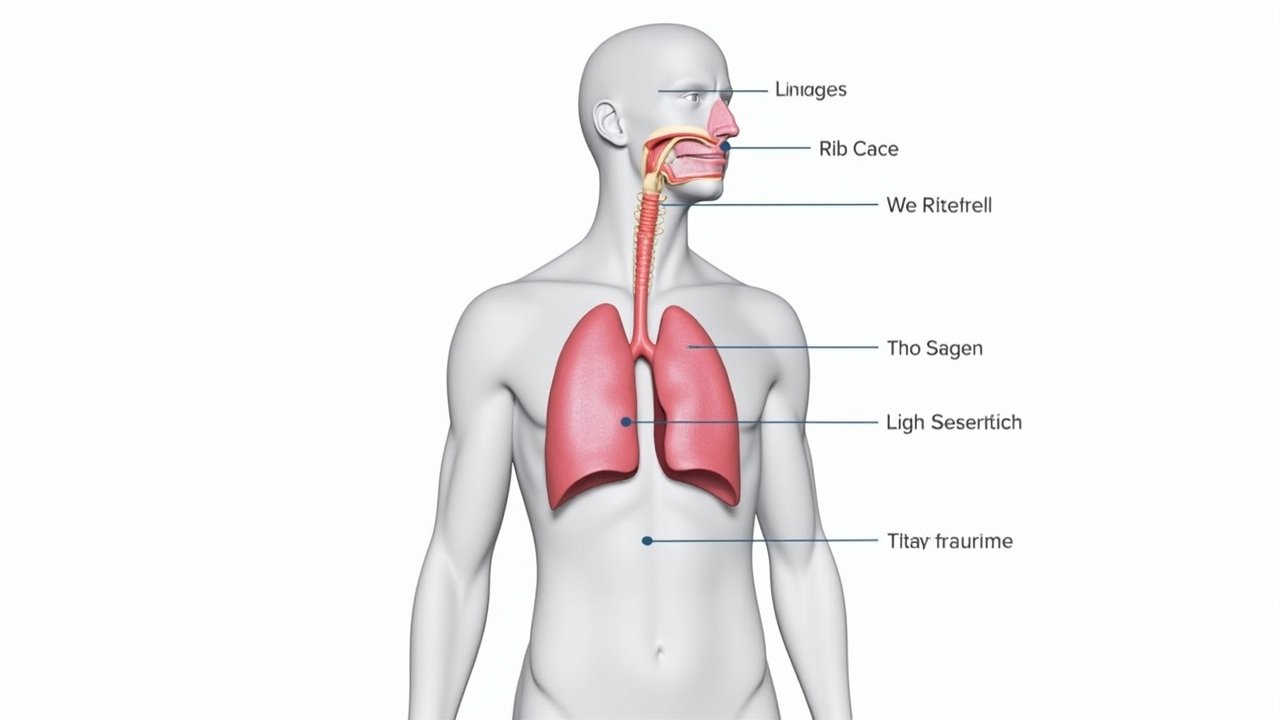
So here’s the deal. When you slouch at your desk, your diaphragm — that big dome-shaped muscle under your ribcage — gets compressed. It literally can’t do its job properly, so you start taking shallow chest breaths instead of deep belly breaths.
And here’s where it gets frustrating. Those shallow breaths actually reinforce the slouching because your body kind of caves inward to compensate. It’s this annoying feedback loop that I was stuck in for years without even knowing it. The Cleveland Clinic explains how the diaphragm works, and honestly reading about it was a lightbulb moment for me.
Advertisements
When you practice diaphragmatic breathing, your core muscles activate naturally. Your spine straightens up, your shoulders drop away from your ears, and suddenly you’re sitting taller without even thinking about it. It’s kind of wild how something so simple gets overlooked.
Three Breathing Exercises I Actually Do at My Desk
Look, I’ve tried a ton of desk exercises over the years. Most of them I abandoned after a week because they were either too complicated or made me look weird in front of coworkers. These three stuck because they’re dead simple.
1. The 4-7-8 Diaphragmatic Breath
Sit with your feet flat on the floor and your back against the chair. Inhale through your nose for 4 seconds, letting your belly expand — not your chest. Hold for 7 seconds, then exhale slowly through your mouth for 8 seconds.
I do this one about three times in a row whenever I catch myself hunching. It was actually developed by Dr. Andrew Weil and it doubles as a stress reliever, which is a nice bonus when deadlines are breathing down your neck — pun intended.
2. Ribcage Expansion Breathing
This one’s my favorite because you can feel it working immediately. Place your hands on the sides of your ribcage. Breathe in deeply and try to push your ribs outward into your hands.
The first time I tried this, I realized my ribs barely moved at all. That’s how tight everything had gotten from years of desk work. After a couple weeks of doing this regularly, my thoracic spine mobility improved noticeably and I wasn’t getting that mid-back stiffness anymore.
3. The Exhale-Focused Reset
Sometimes I just need a quick posture reset between meetings. For this one, take a normal breath in, then exhale as slowly and completely as you possibly can. Like, push every last bit of air out until your core naturally engages.
That engagement is basically your body’s natural corset kicking in. Your transverse abdominis activates, your lumbar spine gets supported, and you’re sitting upright without muscling into it. Takes maybe 30 seconds total.
Making It a Habit (Because That’s the Hard Part)
I’m not gonna lie — remembering to do these was harder than doing them. What finally worked for me was setting a reminder on my phone every 90 minutes. Some people use apps like Stretchly to get break reminders, which is also a solid approach.
I also stuck a small Post-it note on my monitor that just says “breathe.” My coworkers thought it was some mindfulness thing. I mean, they weren’t wrong, but it was really just about not looking like Quasimodo by Friday.
Your Spine Will Thank You Later
Breathing exercises aren’t a replacement for a proper ergonomic setup or regular movement breaks — let’s be real about that. But as a tool for improving desk posture, they’re genuinely underrated and backed by science. Start with whichever exercise feels most natural and build from there.
If you’re curious about more ways to make your workspace work for your body, head over to the Ergonomic Flow blog for more practical tips. Your future self — the one who isn’t wincing every time they stand up — will appreciate it!