Advertisements
Hip Flexor Tightness From Sitting: How I Finally Fixed Mine (And You Can Too)
Here’s a stat that honestly blew my mind — the average American sits for about 10 hours a day. Ten hours! When I first heard that, I thought there’s no way that applies to me. Then I actually tracked it. Commute, desk job, dinner, couch time — yep, I was right there in that range.
And guess what suffered the most? My hip flexors. That deep, achy tightness in the front of my hips became so constant that I almost forgot what it felt like to NOT have it. If you’re dealing with hip flexor tightness from sitting, trust me, I’ve been in that trenches and I’ve found my way out.
Why Sitting Destroys Your Hip Flexors
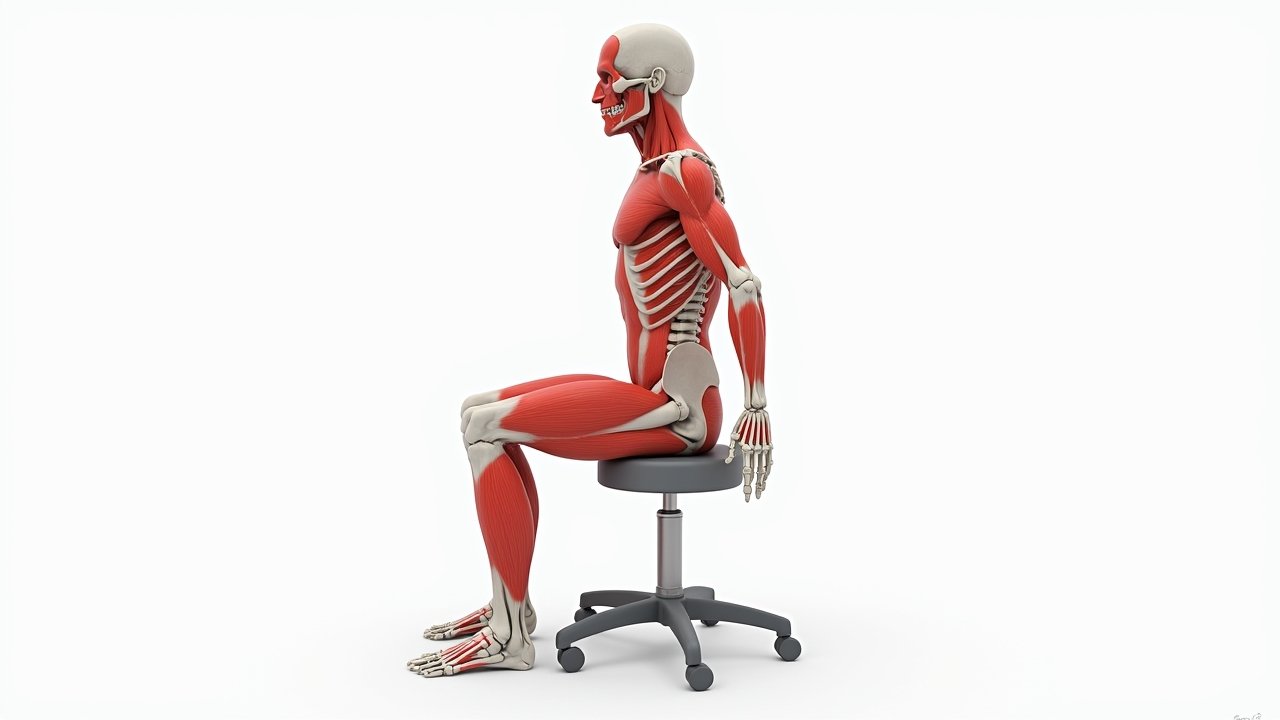
So here’s the deal. When you sit, your hip flexors — mainly the psoas muscle and iliacus — are stuck in a shortened position for hours on end. Over time, they basically forget how to lengthen properly.
I used to think tight hips were just a flexibility issue. Nope. It’s actually an adaptive shortening problem, which means your muscles have literally remodeled themselves to stay short. That’s why a quick stretch before your workout ain’t gonna cut it.
Advertisements
What really frustrated me was that the tightness started causing lower back pain too. Your hip flexors attach to your lumbar spine, so when they’re chronically tight, they pull your pelvis into an anterior tilt. Suddenly your back is aching and you’re blaming your mattress when it’s really your desk chair doing the damage.
The Stretches That Actually Worked For Me
I tried every hip flexor stretch on YouTube. Some were garbage, some were game-changers. Here’s what actually moved the needle for me.
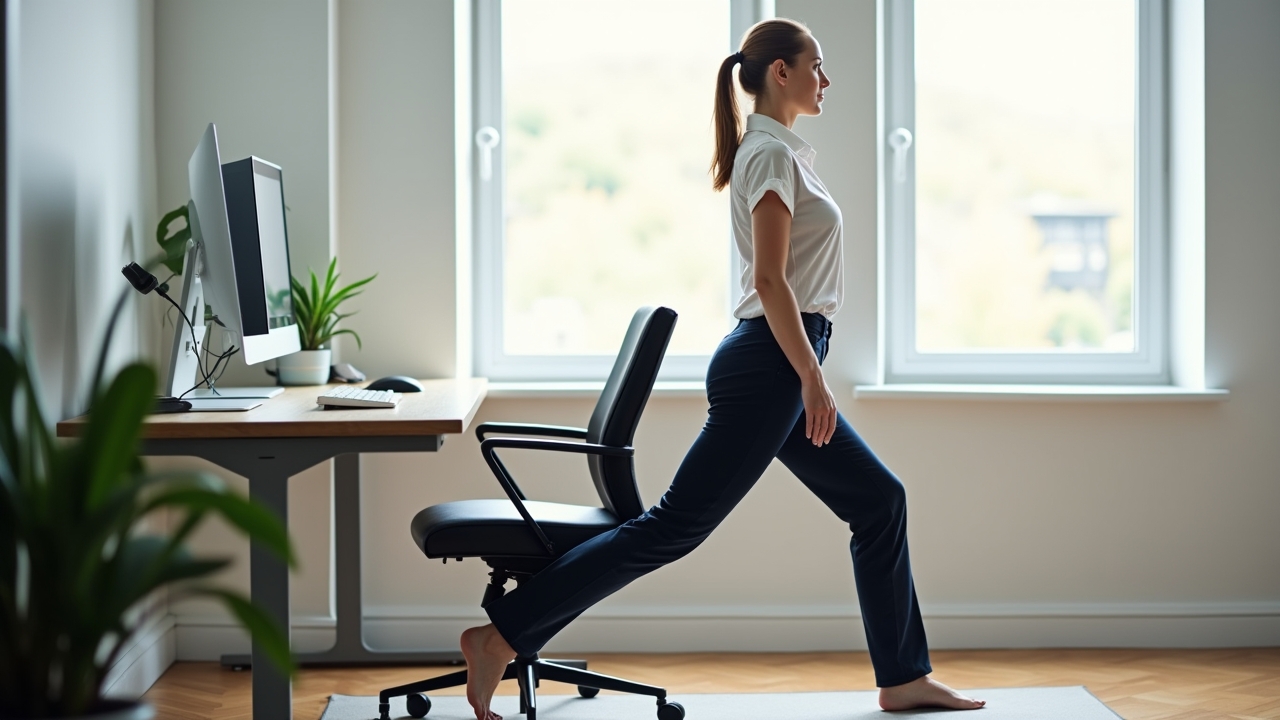
- Half-kneeling hip flexor stretch — Get into a lunge position with your back knee on the ground. Squeeze your glute on the kneeling side and gently push your hips forward. Hold for 60 seconds minimum. I do this one every single morning now.
- Couch stretch — This one’s brutal but effective. Place your back foot up on a couch behind you while in a kneeling position. It targets that rectus femoris like nothing else. I literally couldn’t hold this for more than 20 seconds when I started.
- 90/90 hip switch — Great for overall hip mobility. Sit on the floor with both legs bent at 90 degrees and rotate between internal and external rotation. It was recommended to me by a physical therapist and it’s been a staple ever since.
The key thing I learned? You gotta hold these stretches for at least 60 seconds to actually create lasting change. Anything less and you’re basically just saying hello to the muscle without making a real difference.
Beyond Stretching: Habits That Made The Biggest Difference
Here’s where I messed up for the longest time. I thought stretching alone would fix everything. It won’t.
The single best change I made was setting a timer to stand up every 30 minutes during my workday. I use a simple standing desk now and alternate between sitting and standing throughout the day. Honestly, it felt annoying at first but now it’s second nature.
Strengthening your glutes is also absolutely crucial. Your glutes are the antagonist to your hip flexors, so when they’re weak — which they probably are if you sit all day — your hip flexors have to work overtime. I started doing glute bridges and hip thrusts three times a week and noticed a huge difference within about a month.
One more thing that sounds weird but works — I started sitting on the floor more at home. Like, just watching TV on the ground instead of the couch. It forces your hips into different positions and basically gives you passive mobility work without even trying.
Your Hips Will Thank You Later
Look, fixing hip flexor tightness from sitting isn’t a one-week project. It took me a solid two to three months of consistent work before things really clicked. But man, when that deep ache finally faded and I could walk without feeling like a rusty hinge? Worth every minute.
Everyone’s body is different though, so experiment with what works for you. If you’re experiencing sharp pain or numbness, please see a healthcare professional before going full send on stretches. For more tips on creating a body-friendly workspace and staying pain-free, check out our other posts over at Ergonomic Flow — we’ve got tons of practical advice waiting for you!