Advertisements
Blue Light Glasses Eye Protection: Do They Actually Work? Here’s What I Learned the Hard Way
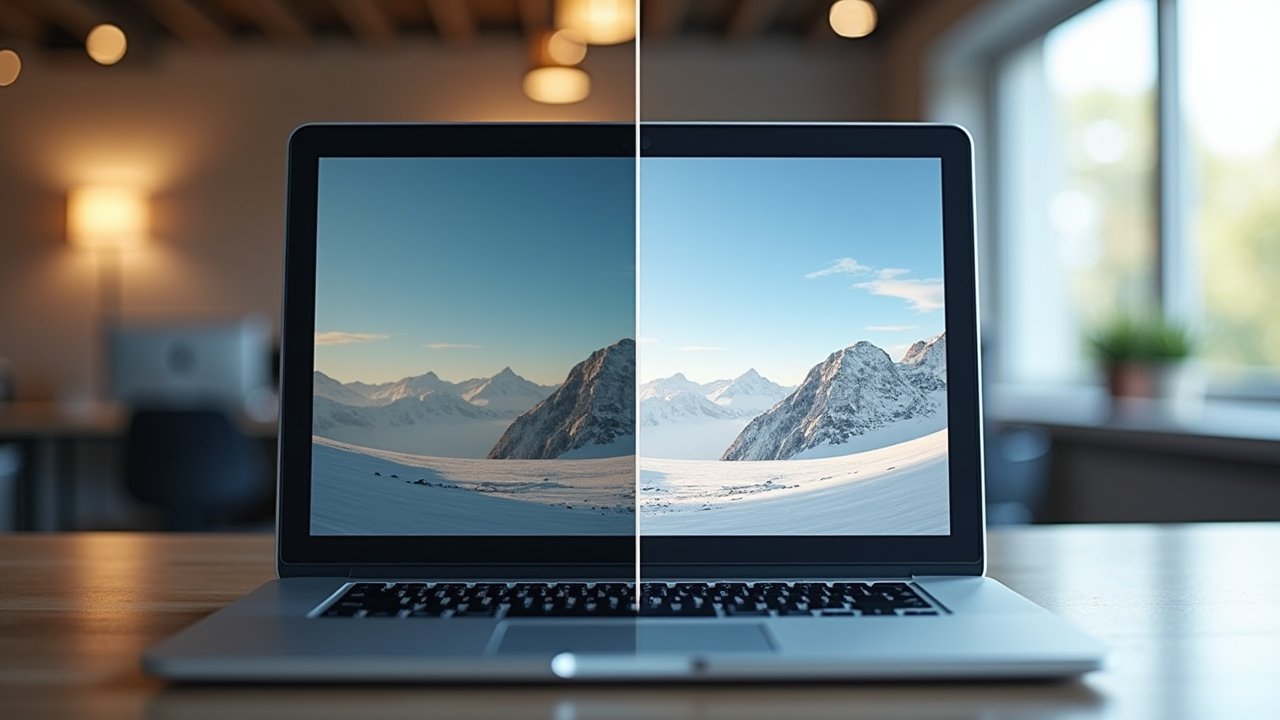
Here’s a stat that honestly blew my mind — the average American spends over 7 hours a day staring at screens. Seven! When I first read that, I thought “no way that’s me,” and then I actually tracked my screen time for a week. It was closer to nine hours, and I felt personally attacked by my own data.
That’s exactly when I started taking blue light glasses eye protection seriously. If you’ve been dealing with headaches, dry eyes, or that weird “wired but exhausted” feeling after a long day at your desk, stick around. I’ve been down this rabbit hole so you don’t have to.
What Even Is Blue Light and Why Should You Care?
So blue light is basically high-energy visible light that’s emitted by your phone, laptop, tablet, and pretty much every LED screen you own. It sits on the light spectrum right next to UV light, which we already know isn’t great for our eyes. The sun produces it naturally too, but the problem is we’re now getting bombarded with artificial blue light for hours on end.
I’ll be honest — I used to think the whole blue light thing was just marketing hype. Like, companies trying to sell us fancy glasses we didn’t need. But after about two years of brutal eye strain and tension headaches that started every afternoon around 3pm, I was willing to try anything.
Advertisements
My Experience With Blue Light Blocking Glasses
I bought my first pair of blue light filtering lenses from Amazon for like twelve bucks. Nothing fancy. Within about a week, I noticed my eyes weren’t feeling as fried by the end of the workday, and that persistent headache started showing up less often.
Now here’s where I messed up — I assumed all blue light glasses were created equal. They’re definitely not. The cheap pair I got was barely filtering anything, and I only found that out when a friend who’s an optometrist tested them for me. She basically laughed and said they were “better than nothing, but just barely.”
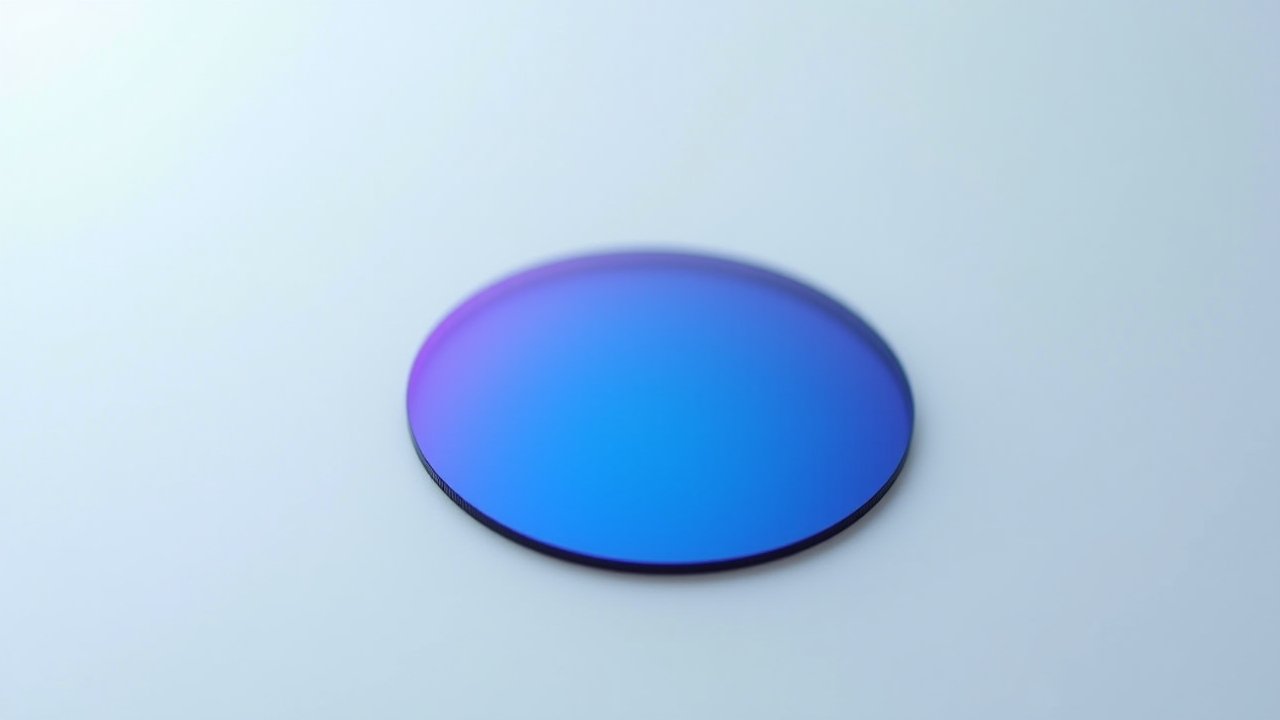
I eventually upgraded to a pair with actual blue light lens technology that blocks a meaningful percentage of blue light wavelengths. The difference was noticeable within days. My digital eye strain symptoms dropped significantly, and I was sleeping better too — which honestly surprised me.
Do Blue Light Glasses Really Protect Your Eyes?
Okay, I gotta be straight with you here. The scientific evidence is still somewhat mixed. The American Academy of Ophthalmology hasn’t fully endorsed blue light glasses as a medical necessity. Some studies suggest the eye protection benefits are real, while others say the relief people feel might partly be placebo.
But here’s my take after wearing them daily for over a year — even if part of it is placebo, my eyes feel better, my sleep improved, and my screen fatigue reduced dramatically. Sometimes you just gotta go with what works for you, ya know?
Tips for Getting the Most Out of Your Blue Light Glasses
-
Look for lenses that filter at least 30-40% of blue light in the 400-450nm range — that’s the sweet spot.
-
Don’t skip the 20-20-20 rule even with glasses on. Every 20 minutes, look at something 20 feet away for 20 seconds. Your eyes will thank you.
-
Combine your glasses with proper monitor positioning — your screen should be about arm’s length away and slightly below eye level.
-
Wear them especially in the evening if you’re scrolling before bed, because blue light exposure messes with your melatonin production and sleep cycle.
-
Consider getting prescription blue light lenses if you already wear glasses, instead of those clip-on things that never stay put. Trust me on this one.
Your Eyes Deserve Better Than “Just Dealing With It”
Look, we’re not going to stop using screens anytime soon — that’s just reality. But investing in proper blue light glasses eye protection is one of the simplest changes you can make for your visual comfort and overall wellbeing. It was for me, anyway.
Everyone’s eyes are different though, so experiment and find what combination of screen habits and eye protection works best for your setup. And if symptoms persist, definitely see an eye care professional — don’t just tough it out like I did for way too long.
Want more tips on creating a workspace that doesn’t wreck your body? Head over to the Ergonomic Flow blog for more guides on setting up a healthier, more comfortable work environment. Your future self will appreciate it!