Advertisements
How to Avoid Fatigue During Afternoon Desk Hours (Without Drowning in Coffee)
Here’s a stat that honestly blew my mind: according to a Sleep Foundation report, our bodies experience a natural dip in alertness between 1:00 p.m. and 3:00 p.m. every single day. It’s not just you. It’s literally biology working against your productivity!
I used to think I was just lazy. Every afternoon, right around 2 p.m., my eyelids would get heavy, my focus would vanish, and I’d find myself rereading the same email three times. As someone who spends eight-plus hours at a desk, figuring out how to avoid fatigue during afternoon desk hours became kind of a personal mission for me.
So let me share what actually worked — and what totally didn’t.
Why the Afternoon Slump Hits So Hard at Your Desk
First, it helps to understand why this happens. Your circadian rhythm naturally dips after lunch, and sitting in the same position for hours makes it worse. Poor posture, stale office air, and staring at a screen all compound that drowsy feeling.
Advertisements
I remember one particular Wednesday where I literally caught myself nodding off during a Zoom call. My camera was on. My boss was talking. Yeah, not my finest moment.
The thing is, sedentary work drains your energy in sneaky ways. Your blood circulation slows down, your muscles get stiff, and your brain starts running on fumes. It’s been well-documented by the Mayo Clinic that prolonged sitting contributes to fatigue and overall health risks.
Move Your Body — Even Just a Little
This one sounds obvious, but hear me out. I’m not saying you need to do burpees next to your filing cabinet. A five-minute walk, some light stretching, or even just standing up and doing a few shoulder rolls can make a massive difference.
I started setting a timer on my phone for every 45 minutes. When it goes off, I stand up, walk to the kitchen, fill my water bottle, maybe do a couple of calf raises. It felt silly at first, honestly. But after about a week, that 2 p.m. wall wasn’t hitting me nearly as hard.
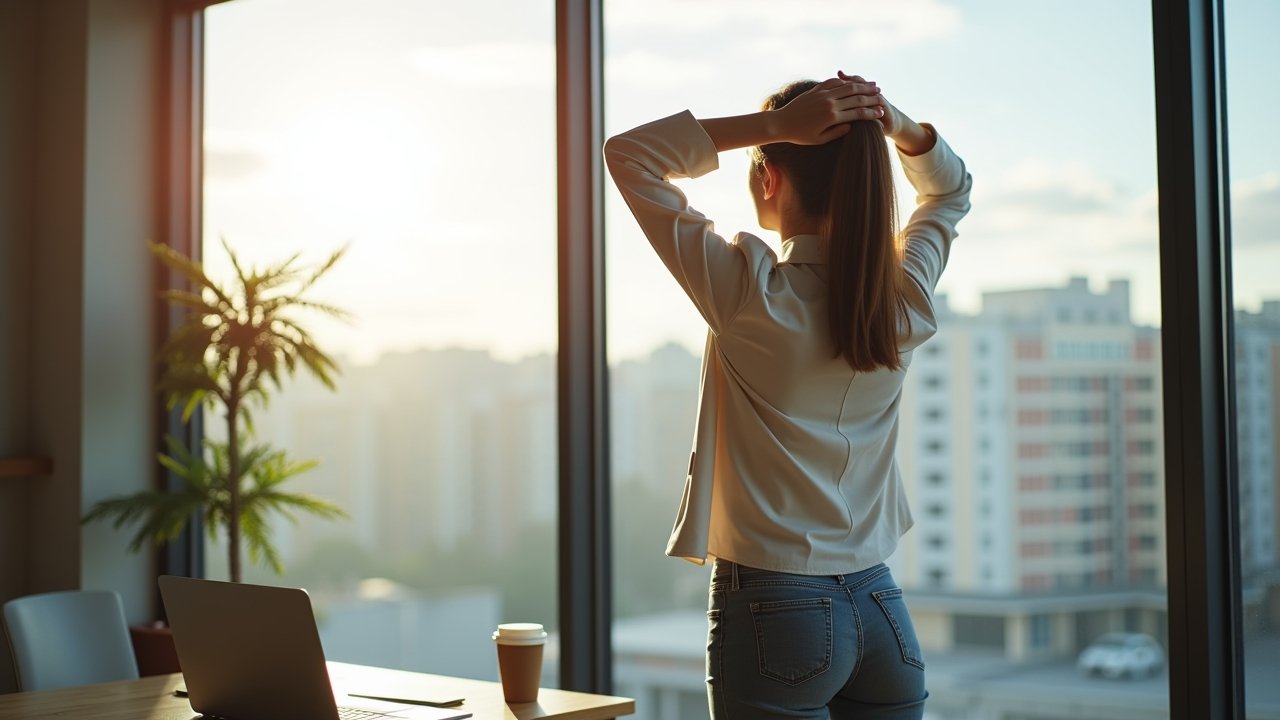
Desk stretches are seriously underrated. Things like neck tilts, seated spinal twists, and wrist circles keep your blood flowing without drawing too much attention from coworkers.
Rethink What You’re Eating at Lunch
Okay, this was a tough lesson for me. I used to grab a big pasta dish or a burrito the size of my forearm and then wonder why I felt like a zombie by 2:30. Heavy, carb-loaded lunches spike your blood sugar and then crash it right into the ground.
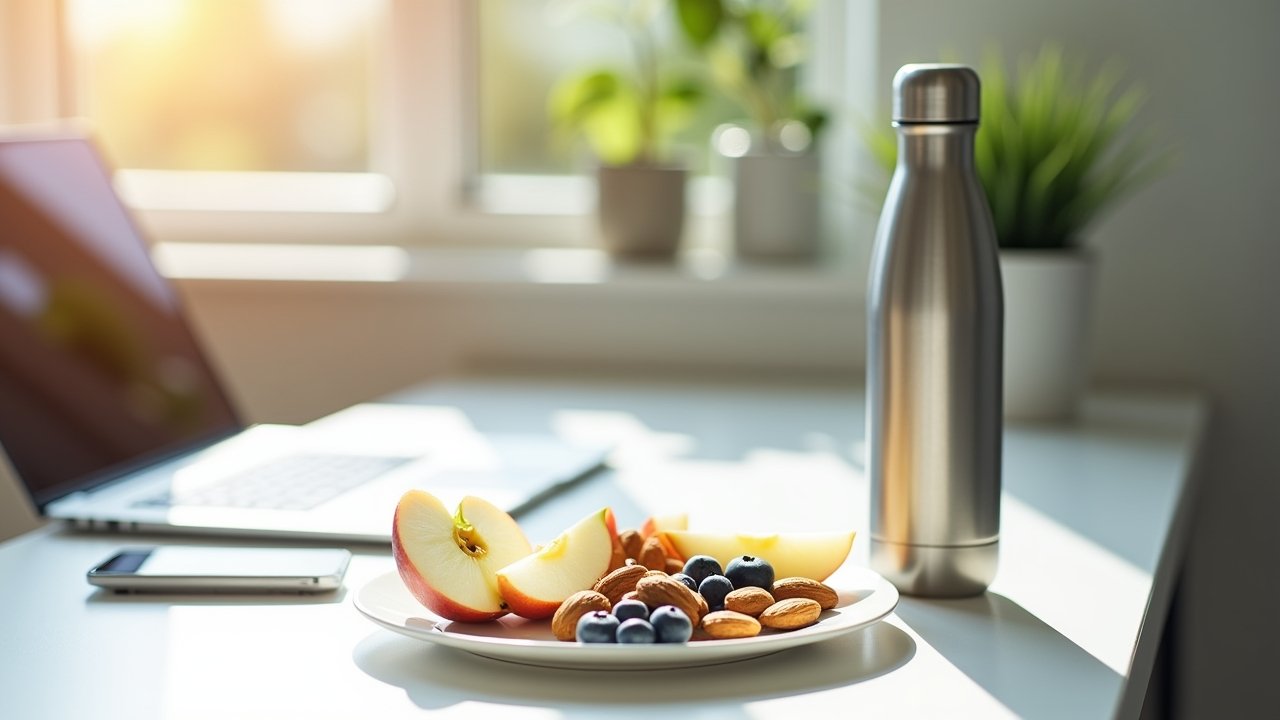
Switching to lighter meals with protein, healthy fats, and some complex carbs was a game changer. Think grilled chicken salad, a grain bowl, or even just some hummus with veggies. The Harvard Health Blog has some great insights on how food choices directly impact your afternoon energy levels.
Also — and I cannot stress this enough — stay hydrated. Dehydration is one of the most common causes of fatigue and it’s the easiest one to fix.
Optimize Your Workspace Ergonomics
This is where things really clicked for me. A poorly set up desk doesn’t just cause back pain; it actively drains your energy. When your monitor’s too low, you’re hunching forward, your neck is straining, and your body is working overtime just to keep you upright.
I invested in an adjustable monitor arm and a decent ergonomic chair, and it was like night and day. My posture improved, my shoulders stopped aching, and I wasn’t feeling as wiped out by mid-afternoon. Even something as simple as adjusting your screen to eye level can reduce the physical strain that contributes to desk fatigue.
Natural light helps too. If you can position your desk near a window, do it. Artificial lighting has been shown to increase drowsiness and eye strain over long periods.
Your Afternoon Doesn’t Have to Feel Like a Battle
Look, the afternoon slump is real, but it doesn’t have to own you. Small changes — moving more, eating smarter, fixing your desk setup — add up to something big over time. What works for me might need some tweaking for you, so experiment and see what sticks.
Just please, talk to your doctor before making any drastic changes to your diet or routine. And if you want more tips on creating a workspace that actually supports your energy and health, come check out more posts on Ergonomic Flow. We’re all about making those desk hours feel a whole lot less brutal.