
Advertisements
How I Finally Built a Movement Habit While Working 9 to 5 (Without Getting Fired)
Here’s a stat that honestly scared me: sitting for more than 8 hours a day with no physical activity increases your risk of dying prematurely by 59%. I read that from a study published in The Lancet about three years ago, and it hit different because that was literally my life. I was glued to my desk from 9 to 5, barely moving except to grab coffee or hit the restroom.
If you’re working a traditional office job, building a consistent movement habit can feel almost impossible. But trust me, it’s not. I figured it out through a lot of trial and error, and I’m gonna share what actually worked.
Why Your Body Is Screaming at You by 3 PM
I used to think that afternoon slump was just normal. Turns out, my body was literally begging me to move. When you sit for prolonged periods, your hip flexors tighten up, your posture goes to garbage, and blood circulation slows down significantly.
I remember this one Wednesday where my lower back was so stiff I couldn’t even twist to grab my bag off the floor. That was my wake-up call. The sedentary lifestyle I’d been living wasn’t just uncomfortable — it was wrecking me slowly.
Advertisements
Starting Stupidly Small (And Why That’s the Secret)
My first mistake was going all in. I bought a standing desk, set phone alarms every 30 minutes, and planned a full stretching routine. Lasted about four days.
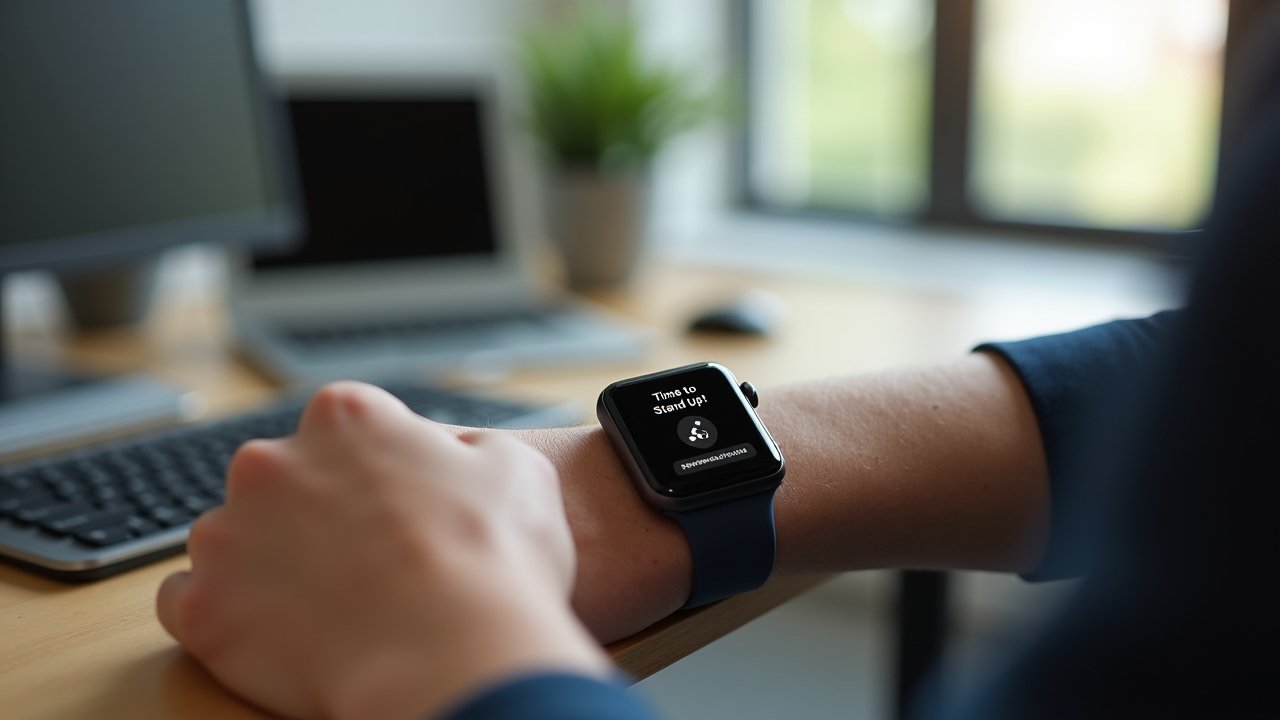
What actually stuck was something embarrassingly simple: I started by just standing up every hour. That’s it. One single desk exercise — a standing stretch where I’d reach overhead and twist side to side for maybe 20 seconds. The Mayo Clinic recommends breaking up sitting time every 30 minutes, but honestly, starting with every hour was more realistic for me.
After two weeks of that, I added a short walk during my lunch break. Nothing fancy, just 10 minutes around the building. The key to forming a movement habit while working 9 to 5 is making it so easy you’d feel silly skipping it.
My Actual Daily Movement Routine (The One That Stuck)
After about three months of experimenting, here’s what my workday movement schedule looks like now:
- 8:55 AM: Five-minute walk from a parking spot I intentionally chose far away.
- 10:00 AM: Stand up, do seated spinal twists and shoulder rolls at my desk.
- 12:00 PM: 15-minute walk outside during lunch. Rain or shine, no excuses.
- 2:30 PM: Calf raises and bodyweight squats by my desk. Yeah, I get looks sometimes.
- 4:00 PM: Quick stretch session — hip flexor stretch and neck rolls.
It doesn’t look like much written out. But these micro-movements throughout the day have been completely transformative for my energy levels and my chronic back pain.
The Stuff Nobody Tells You About Office Movement
Here’s the thing — your coworkers will notice. And that’s actually fine. I was so self-conscious the first time I did squats near my cubicle, but then something funny happened. Two people asked to join me. Now we have this informal “2:30 stretch crew” and it’s honestly the best part of my afternoon.
Another thing nobody mentions is that exercise reduces workplace stress. I noticed my frustration levels in meetings dropped significantly once I started incorporating regular movement breaks. My focus got sharper too, which was a nice bonus I wasn’t expecting.
Oh, and invest in good shoes. I wore dress shoes for years that basically cemented my feet to the floor. Switching to supportive footwear made standing and walking breaks way more appealing. It’s a small detail that matters more than people think.
Your Body Will Thank You Later — Start Today
Building a movement habit while working 9 to 5 isn’t about dramatic gym sessions or radical lifestyle overhauls. It’s about tiny, consistent actions sprinkled throughout your day. Start with one thing this week — even just standing up more often.
Customize this to your own schedule and physical needs. If you have existing injuries or health concerns, definitely check with your doctor before adding new exercises. Everyone’s body is different, so listen to yours.
Want more practical tips on creating a healthier, more comfortable workspace? Head over to Ergonomic Flow for more posts that’ll help you move better and feel better at work!