Advertisements
How to Organize Your Desk for Maximum Efficiency (Without Losing Your Mind)
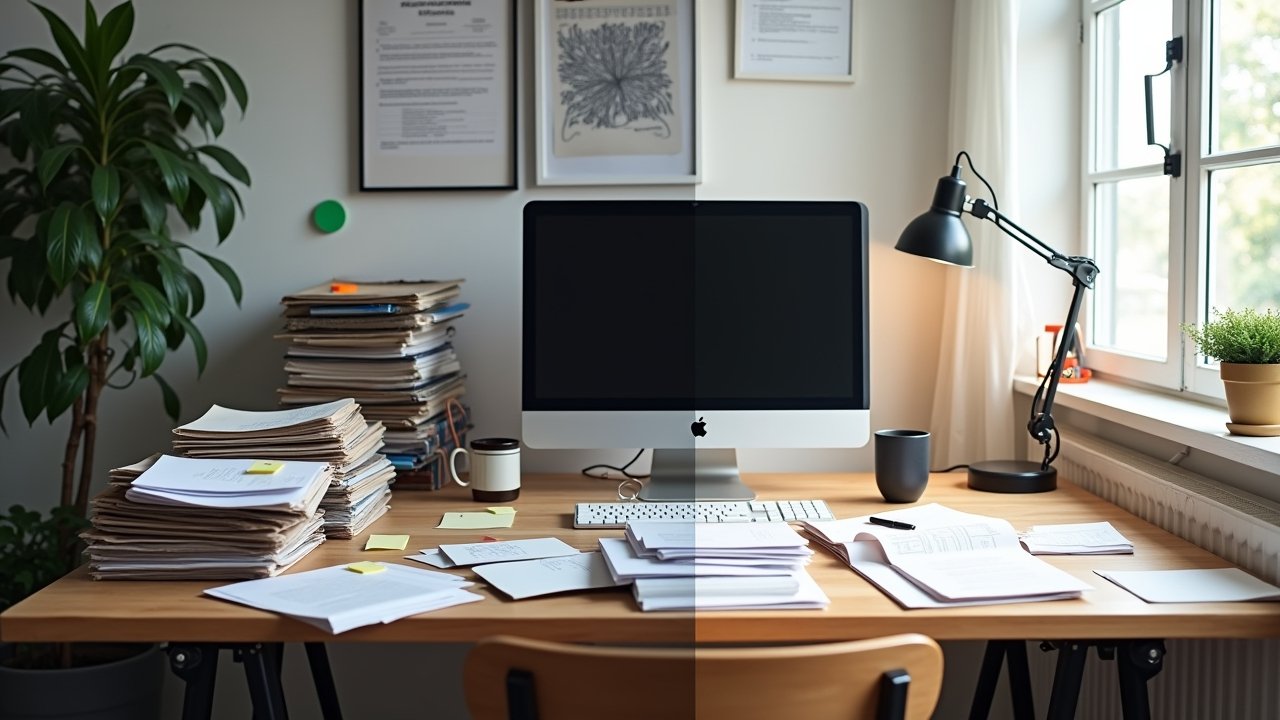
Here’s a stat that honestly blew me away — the average office worker spends roughly 1.8 hours per day just searching for stuff. That’s almost 9 full hours a week wasted because of clutter and disorganization! I used to be one of those people, and let me tell you, my desk looked like a paper tornado had hit it on a daily basis.
Learning to organize your desk for maximum efficiency literally changed the way I work. It sounds dramatic, I know. But stick with me here because the tips I’m sharing are things I actually figured out the hard way.
Start With the Purge (Yes, All of It)
The first thing I did wrong was trying to “organize around” all the junk already on my desk. That doesn’t work. You gotta take everything off first — every pen, sticky note, random phone charger, and that coffee mug from 2019 you’ve been ignoring.
Once my desk was completely bare, I was kind of shocked at how much space I actually had. It felt like I’d been working on a postage stamp when I really had a whole football field. Only put back what you use daily, and I mean daily — not “once every two months when Mercury is in retrograde.”
Advertisements
Create Zones That Actually Make Sense
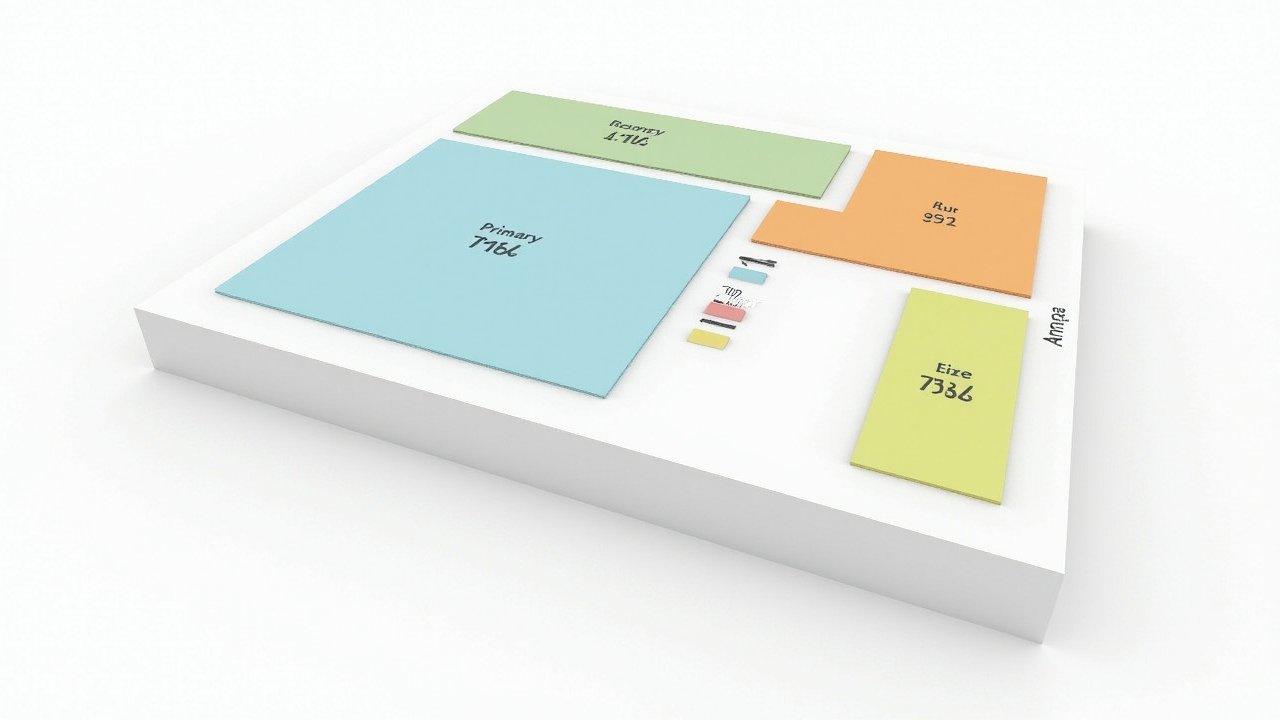
This was a game-changer for me. I divided my desk into three simple workspace zones: a primary work zone directly in front of me, a reference zone to my left, and a supply zone to my right. Everything has a home now.
Your primary zone should only have your computer, keyboard, and maybe a notepad. That’s it. I used to keep my phone right next to my keyboard, and honestly it was a productivity killer — so now it goes in a drawer during deep work sessions.
The reference zone is where I keep things I glance at throughout the day, like my planner or a project folder. Meanwhile, the supply zone holds pens, highlighters, and other desk accessories I reach for often. This kind of desktop organization system sounds simple, but it works ridiculously well.
Invest in a Few Good Organizers
You don’t need to spend a fortune here. A basic desk drawer organizer and a simple vertical file holder were probably the two best purchases I ever made for my workspace. They cost me maybe twenty bucks total.
I also got a small cable management tray that mounts under my desk. Before that, my charging cables were tangled up like spaghetti, and I’d waste time untangling them every single morning. Not exactly the productive morning routine I was going for.
- A monitor riser with built-in storage for small items
- A single pen cup — not three, just one
- A small tray for incoming papers that gets emptied weekly
- Cable clips or a cable management box
The “Two-Minute Tidy” That Saves Hours
So here’s where I’ll admit I messed up for years. I’d do a big desk cleanup once a month, feel great about it, and then let everything pile up again. The cycle was exhausting and honestly kind of demoralizing.
Now I do what I call a “two-minute tidy” at the end of every workday. I just spend two minutes putting things back in their zones, tossing any trash, and clearing my desktop surface. It sounds almost too simple, but this tiny habit has kept my desk clutter-free for over a year now.
Go Digital Where You Can
One of the biggest clutter sources on my old desk was paper. Receipts, notes, printouts — you name it. Switching to digital note-taking apps like Notion or even just the Notes app on my phone eliminated probably 70% of my paper clutter.
I’m not saying go completely paperless because that’s not realistic for everyone. But scanning documents and ditching unnecessary printouts made a huge difference in keeping my minimalist desk setup intact.
Your Desk, Your Rules
Look, what works for me might not work perfectly for you, and that’s totally fine. The whole point of organizing your desk for maximum efficiency is finding a system that fits your workflow and then sticking with it. Don’t compare your setup to those impossibly clean desks you see on Pinterest.
Start small, be consistent, and give yourself grace when things get messy again — because they will. If you’re looking for more tips on creating a workspace that actually supports your body and brain, check out more posts on Ergonomic Flow. Your future, less-stressed self will thank you!