
Advertisements
Shoulder Pain from Desk Work? Here’s How I Finally Fixed Mine
Here’s a stat that honestly blew my mind — nearly 1.7 billion people worldwide deal with musculoskeletal conditions, and shoulder pain from sitting at a desk all day is one of the biggest culprits. I know because I was one of them. For about three years, I just accepted that burning ache between my shoulder blades as the “cost of doing business” at my office job!
Spoiler alert: you don’t have to live like that. I figured out some fixes that genuinely changed everything, and I wish someone had told me sooner.
Why Your Shoulders Are Screaming at You
Let’s get real for a second. When you sit at a desk for eight-plus hours, your body starts doing weird stuff without you even noticing. Your shoulders creep up toward your ears, your head drifts forward like a turtle, and your upper back rounds into what I lovingly call “the shrimp posture.”
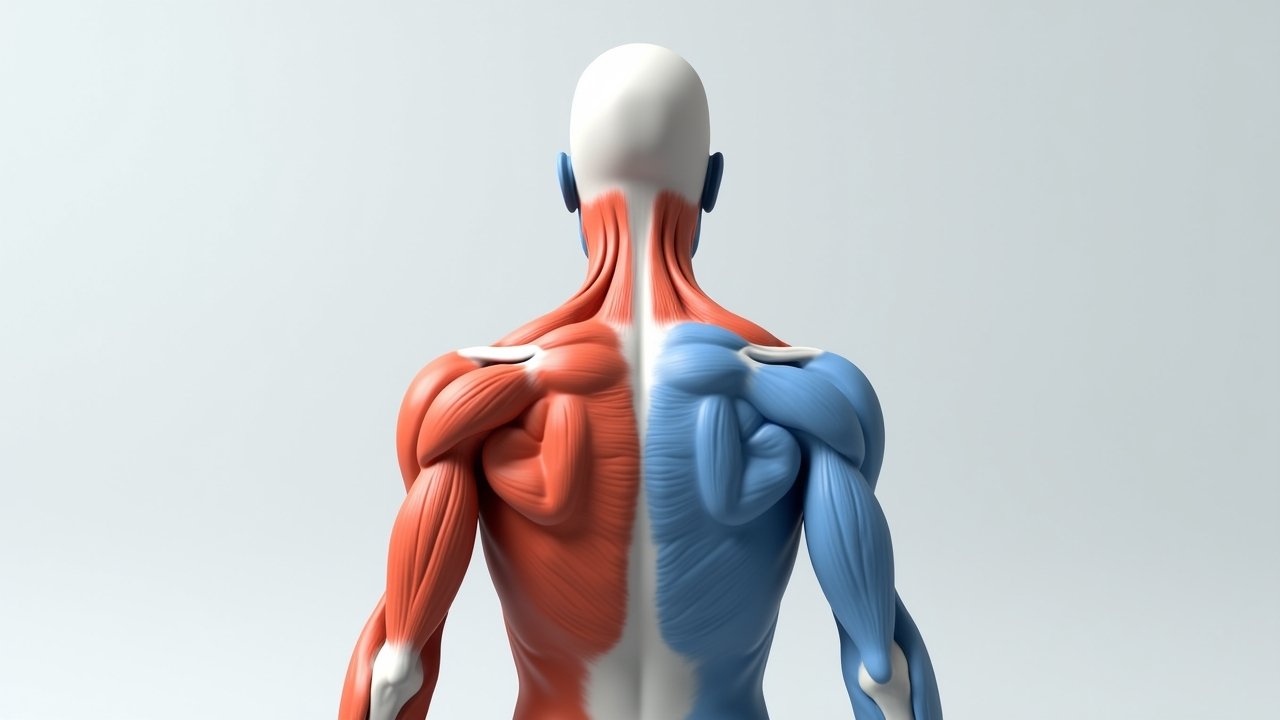
This forward head posture and rounded shoulder position puts a ton of strain on your trapezius muscles and the rotator cuff. Over time, those muscles get tight, weak, or both. I remember my physical therapist telling me my upper traps were basically in a permanent state of contraction — no wonder I felt like someone was squeezing my shoulders all day.
Advertisements
Fix Your Workstation First (Trust Me on This)
Before I tried any stretches or exercises, the single biggest game-changer was fixing my ergonomic desk setup. I’m talking about monitor height, chair adjustments, and keyboard placement. It sounds boring, but it matters way more than you think.
Your monitor should be at eye level so you’re not looking down or craning your neck up. I literally stacked mine on a couple of old textbooks for months before I finally bought a proper monitor arm. Your keyboard and mouse need to be at a height where your elbows rest at roughly 90 degrees, with your shoulders relaxed and not hiked up.
Also — and this was my big mistake — I used to keep my mouse way too far from my body. That constant reaching forward was wrecking my right shoulder specifically. Once I moved it closer and got a compact keyboard, the difference was night and day.
Stretches That Actually Work at Your Desk
Okay, here’s where it gets fun. These are the desk stretches I do almost every day, and they take maybe five minutes total.
- Doorway chest stretch: Place your forearms on a door frame and lean forward gently. Hold for 30 seconds. This opens up those tight pectoral muscles that pull your shoulders forward.
- Chin tucks: Pull your chin straight back like you’re making a double chin. It looks ridiculous but it strengthens the deep neck flexors and relieves so much tension.
- Shoulder blade squeezes: Squeeze your shoulder blades together like you’re trying to hold a pencil between them. Do 15 reps a few times a day.
- Cross-body shoulder stretch: Pull one arm across your chest with the opposite hand. Simple, classic, effective.
I set a timer on my phone for every 45 minutes as a reminder. It felt annoying at first, but honestly my body started craving those little movement breaks after a week or so.
Strengthen What’s Weak
Stretching alone wasn’t enough for me. My physical therapist explained that my lower traps and rhomboids were super weak from years of slouching. So I started doing resistance band exercises — things like band pull-aparts and external rotations.
You don’t need a gym membership for this stuff. A cheap resistance band at your desk does the trick. I keep one in my drawer and knock out a quick set between meetings. It’s been a game-changer for my shoulder stability and overall upper body posture correction.
Your Shoulders Will Thank You Later
Look, fixing shoulder pain from desk work isn’t some overnight miracle — it took me a solid month before I noticed real improvement. But the combination of proper ergonomics, consistent stretching, and a little bit of strengthening absolutely transformed how I feel at the end of a workday. Everyone’s body is different though, so tweak these tips to fit your situation and definitely see a doctor if your pain is severe or persistent.
Want more practical tips like these? Head over to Ergonomic Flow where we’re constantly sharing ways to make your workspace work for your body, not against it.