Advertisements

The Truth About Posture Corrector Devices: What I Wish Someone Had Told Me Sooner
Here’s a stat that honestly blew my mind — roughly 1.7 billion people worldwide suffer from musculoskeletal conditions, and poor posture is a massive contributor. I spent years hunched over a desk like a human question mark before I finally caved and bought my first posture corrector. And let me tell you, what I learned along the way was not what I expected!
Posture corrector devices are everywhere now. Your Instagram feed is probably full of ads showing people strapping on these magical braces and suddenly standing like a ballet dancer. But what’s the real deal with these things?
What Posture Correctors Actually Do (And Don’t Do)
So I bought my first back brace posture corrector off Amazon about three years ago. It was one of those criss-cross shoulder strap models, and I genuinely thought it would fix my rounded shoulders in like a week. Spoiler alert — it didn’t.
Here’s the thing most companies won’t tell you. Posture correctors are designed to serve as a reminder to engage your muscles, not as a permanent fix. They gently pull your shoulders back and cue your body into proper spinal alignment, but the actual work still has to come from you.
Advertisements
Think of it like training wheels on a bike. They’re helpful at first, but if you never take them off, you’ll never actually learn to balance on your own. The Harvard Health team has pointed out that core strengthening is really what creates lasting posture improvement.
My Biggest Mistake With Posture Corrector Braces
I wore mine for like eight hours straight on the first day. Big mistake. HUGE.
My upper back muscles were so sore the next morning that I could barely reach for my coffee mug. I’d been relying on the device so heavily that my muscles basically checked out and let the brace do all the work. Turns out you’re only supposed to wear most posture support devices for about 15 to 30 minutes at first, then gradually increase the time.
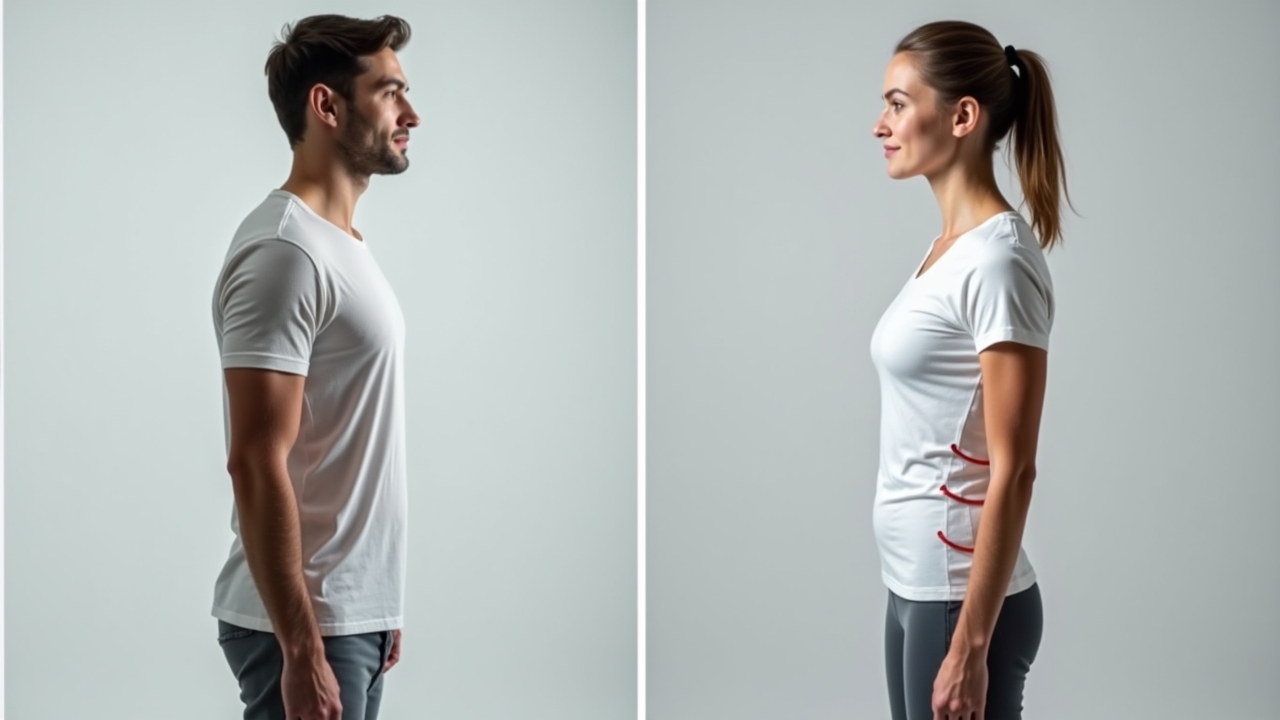
Another thing I messed up was buying the wrong size. The straps dug into my armpits and left these annoying red marks. If you’re shopping for one, measure yourself properly and read the sizing chart — don’t just guess like I did.
Do Posture Correctors Really Work?
Okay, here’s where I’ll be straight with you. They kinda work, but with a big asterisk. A study published on PubMed found that external postural supports can improve awareness of body positioning, which is genuinely useful for people who sit at a desk all day.
But — and this is important — they don’t strengthen your back muscles or fix thoracic kyphosis on their own. What actually helped me was combining the corrector with:
- Daily stretching, especially chest openers and chin tucks
- Strengthening exercises for my upper back and core
- Setting up a proper ergonomic workspace with a decent chair and monitor height
- Taking breaks every 30 minutes to stand and move around
The posture corrector was just one piece of a much bigger puzzle. Without the exercise and ergonomic adjustments, I honestly don’t think it would’ve made much difference at all.
Who Should (And Shouldn’t) Use One
Posture correctors can be helpful for people with mild postural issues, desk workers who need a physical reminder, or anyone recovering from certain upper back injuries under a doctor’s guidance. They’re a solid awareness tool when used correctly.
However, if you’ve got serious spinal conditions like scoliosis or herniated discs, please talk to a physical therapist before strapping anything on. I had a colleague who made her neck pain significantly worse by using a cheap corrector without professional advice. It’s not worth the risk.
What I’d Tell My Younger, Hunched-Over Self
Looking back, I wish I’d understood that no single device was gonna magically undo years of slouching. The truth about posture corrector devices is that they’re a tool — not a cure. They can absolutely help kickstart better habits, but lasting change comes from building strength, adjusting your environment, and staying consistent.
Don’t waste money chasing a quick fix. Invest in understanding your body instead. And if you’re looking for more practical tips on creating a workspace that actually supports your health, check out more posts on Ergonomic Flow — we’ve got tons of guides that might save your back (literally).